Korean Convenience Store Food: 7 Reasons It's a Global Hit
Why is Korean convenience store food a global craze? See the top 7 reasons—must-try menu items, unbeatable value, and rave foreigner reviews.
7 Real Reasons Foreigners Are Obsessed With Korean Convenience Store Food
Scroll through any travel forum or video platform these days and you'll spot the same scene on repeat: a wide-eyed traveler holding up a packaged meal, barely able to believe what they're tasting. "This is convenience store food?" The clip that follows is almost always about Korean convenience store food — and reactions like that one keep going viral for a reason.
As of mid-2026, the global fascination with K-food shows no sign of slowing down, and it has spilled over into one of the most everyday corners of Korean life: the humble convenience store lunchbox. What makes this so interesting is that we're not talking about pricey fine dining or a famous restaurant with a two-hour wait. We're talking about a full meal anyone can grab for around three dollars — and it's genuinely stunning people from around the world.
In this post, we'll break down exactly why travelers are falling head over heels for Korean convenience store food, laid out across seven angles, plus practical tips so you can enjoy it like a local. If this is already part of your daily routine, you might just see something you've always taken for granted in a whole new light.
Why Foreigners Are Obsessed With Korean Convenience Store Food
The first thing that shocks almost everyone is the sheer value for money. From triangle kimbap (samgak-gimbap) that costs under a dollar to a hearty, fully loaded lunchbox for around four dollars, you can put together a real meal for pocket change. In many countries, that same amount barely covers a single snack — so seeing a tray piled with rice and multiple side dishes feels almost too good to be true. That gap between price and portion is one of the most repeated talking points in reviews.
The second reason is the heat-it-yourself system. Pop your lunchbox into the microwave next to the register, wait a minute or two, and you've got a piping-hot meal that tastes freshly made. Visitors find this endlessly fascinating. "Instead of a cold sandwich, I'm eating something that feels like a warm home-cooked meal — from a convenience store?" is a reaction you'll hear again and again.
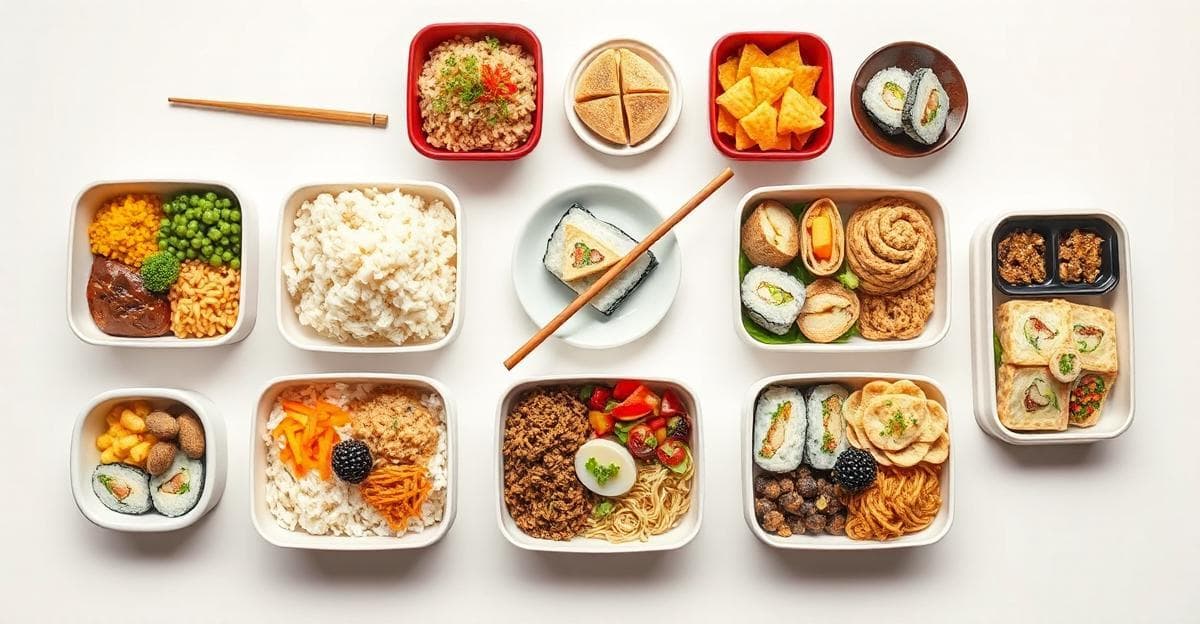
The third is how complete each meal is. Rice, a protein-packed main, a couple of side dishes, and sometimes even a small soup or mini banchan are all arranged neatly in one container. Buy a single item and you've got a balanced meal, no assembly required. That thoughtful balance is a huge part of what wins people over.
 A tempting close-up of a sushi roll held by chopsticks, highlighting fresh ingredients. (Photo: makafood / Pexels)
The Must-Try Menu Items That Went Viral Abroad
When it comes to the crowd favorites in foreign reviews, the clear stars are the spicy pork, bulgogi, and flame-grilled lineup. Sweet-and-spicy jeyuk-bokkeum (stir-fried pork), soy-marinated bulgogi, and smoky char-grilled boxes showcase the best of Korean seasoning. Paired with a scoop of rice, they hit so hard that reviewers often end their videos with some version of "why did nobody tell me about this sooner?"
The grab-and-go options are just as beloved. Kimbap (seaweed rice rolls), triangle kimbap, and cup rice (bap in a bowl) are cheap, easy to eat, and serve as the perfect entry point for first-time visitors. Triangle kimbap in particular has become a rite of passage — even the way you peel back the wrapper feels like a mini-experience, and plenty of newcomers film themselves fumbling with the packaging for the first time.
Then there are the buzzy new releases that YouTubers and TikTokers love to review. Because every convenience store chain rolls out fresh items on a rapid cycle, there's always a new combination waiting on the next visit. That constant novelty makes for great content — and it's exactly why fans keep coming back, wondering, "What should I try next time?"
How Social Media and YouTube Fueled the K-Convenience Craze
Behind this whole phenomenon sits one obvious engine: social media and video content. The so-called "convenience store challenge" — where creators buy a haul of products and taste-test them on camera — is shared constantly, and the lunchbox is almost always the centerpiece. It's visually varied, the reactions are instant, and it all fits neatly into a short-form clip.
Among tourists, hopping between chains like CU, GS25, and 7-Eleven to compare boxes and snacks has become something of a must-do itinerary item — a "convenience store tour," if you will. Since each brand has slightly different signature items, prices, and combos, there's genuine fun in the comparison, and that's helped push the trend even further.
Online communities have taken it beyond simple reviews, too. People now swap their own homemade recipes: "Pair this box with this drink," or "Combine instant ramen with triangle kimbap like this." That culture of users inventing and spreading their own combinations has made the community around Korean convenience store food remarkably tight-knit and creative.
The Cultural Backstory That Makes It So Special
There's a real cultural foundation behind why this category grew so sophisticated. As single-person households multiplied and busy lifestyles became the norm, demand surged for a way to eat a proper, satisfying meal alone without any fuss. The convenience store lunchbox grew up to meet exactly that need — it's a food culture shaped by modern life.
Another defining trait is the fierce competition over new products. Because the chains constantly outdo one another with fresh releases, the quality of taste and composition has naturally climbed. For shoppers, that means an ever-widening menu and an environment where you can keep things varied without ever getting bored.
You also can't overlook the cold-chain (temperature-controlled distribution) system that underpins quality and freshness. Because temperature is managed from production all the way to the shelf, the food inspires far more trust than the phrase "convenience store meal" might suggest. All of these factors stack together, and the result is the wave of amazement you see from travelers experiencing Korean convenience store food for the first time.
How to Get the Most Out of Korean Convenience Store Food
First, always use the reheating step. Most boxes are designed to be microwaved, and the difference between heated and unheated is night and day. Follow the time printed on the packaging, then mix a little rice with a little of each side dish so the seasoning spreads evenly — it tastes noticeably better that way.
Second, hunt for promotions and discounts. Deals like 1+1 and 2+1 (buy one get one, or buy two get one) run frequently, along with markdowns on specific items. If you want to sample as much variety as possible on the same budget, steering toward promo items is a smart move. Stack a membership or app discount on top and the real price drops even lower.
Third, play around with side and drink pairings. Spicy pork or char-grilled boxes go beautifully with a cold soda or a carton of milk, while milder, lighter boxes pair well with a warm soup or a cup of instant ramen. Once you add that layer of experimentation, you'll understand firsthand why those review videos always look so joyful. This is where Korean convenience store food stops being a quick meal and starts being a small adventure.
 Serene view of a fishing boat at sunset over Incheon's waters, reflecting calmness. (Photo: joon young, Park / Pexels)
Frequently Asked Questions (FAQ)
Q: How much does a typical Korean convenience store lunchbox cost? A: It varies by composition, but a standard lunchbox generally runs somewhere between roughly 3,000 and 5,000 won (about US$2–4). Lighter options like triangle kimbap or simple rolls can start around the 1,000-won mark. Add in 1+1 or 2+1 promotions or an app/membership discount, and what you actually pay can drop even lower — which is exactly why value-focused eaters find it so appealing.
Q: What's the most popular convenience store box among foreigners? A: The items that come up most often in international reviews are spicy stir-fried pork (jeyuk), bulgogi, and the flame-grilled boxes. They showcase the sweet-spicy, smoky charm of Korean seasoning especially well. For beginners, lighter picks like triangle kimbap, regular kimbap, and cup rice are also big favorites.
Q: Where do you heat up the lunchbox? A: Most stores keep a microwave near the register, so you can reheat your purchase yourself — just follow the time printed on the packaging. Depending on the location, many stores also offer a small eat-in area, tables, or window-side seating where you can dig in right away.
Q: Can tourists get the app discounts too? A: Membership and app discounts usually require sign-up and verification, which can be a hassle for short-term visitors. That said, even without the app, you can enjoy in-store promotions like 1+1 and 2+1 with no registration required. As a practical alternative, it's worth focusing on the promo items on the shelf.
Final Thoughts
We've walked through why travelers are so captivated by Korean convenience store food across seven threads: the unbeatable value, the heat-it-yourself system, the complete and balanced meals, the standout menu items, the social media wave, the cultural backstory, and the tips for enjoying it fully. What's striking is that a meal so ordinary to locals is being embraced abroad as a brand-new K-food experience.
So if you've been walking past those shelves without a second thought, make today the day you stop in, pick out a lunchbox you like, and warm it up. Add a drink that pairs well, and you'll feel exactly why so many people around the world have fallen for this small, unassuming meal. Go find your own perfect combination — your personal best-ever Korean convenience store food order is waiting.