Sindang-dong Seoul Guide: The Local Neighborhood Worth Exploring
A local's Sindang-dong Seoul guide: tteokbokki town, newtro cafes in Seoul Jungang Market, and hidden alleys next to Dongdaemun worth exploring.
Sindang-dong: The Seoul Neighborhood Guide Locals Don't Want You to Find
You've shopped your way through Dongdaemun. You've wandered the retro alleys of Euljiro. Now what? If you're wondering where to go next, the answer is closer than you think — literally a short walk away. Welcome to Sindang-dong, a neighborhood sitting quietly next door to Dongdaemun that has managed to keep its own character while the rest of Seoul's trendy districts got discovered, Instagrammed, and gentrified. Unlike Seongsu or Ikseon-dong, which have long since crossed over into full tourist-destination territory, Sindang-dong still feels like raw, unfiltered Seoul.
As of mid-2026, Sindang-dong has been quietly gaining buzz on social media as "the next Euljiro" — the neighborhood cool kids whisper about before it blows up. But for now, regulars still outnumber tourists, and the local energy remains intact. Decades-old market stalls and newtro cafes share the same narrow alleys, and that unlikely mix is exactly what makes this place special.
This Sindang dong Seoul guide covers everything you can realistically see in half a day: the legendary Tteokbokki Town, the two-faced Seoul Jungang Market, and the hidden cafe-and-bar alleys that photographers dream about. Let's dig in.
What Is Sindang-dong? Seoul's Hidden Neighborhood Next to Dongdaemun
Sindang-dong's biggest selling point is its location. It sits within walking distance of Dongdaemun Design Plaza (DDP) and Euljiro, making it the natural next stop after a Dongdaemun shopping run or an afternoon exploring Euljiro's retro scene. And yet — this is the surprising part — it has none of the crowded, packaged feel of a tourist district. The alleys here still belong to the neighborhood.
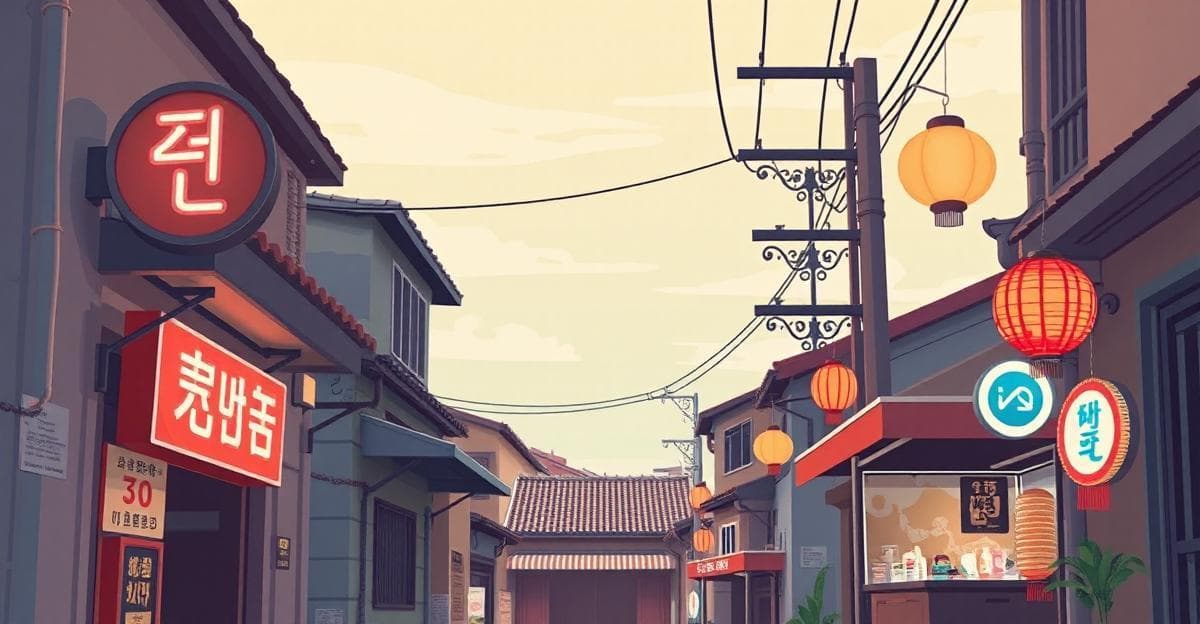
What makes Sindang-dong genuinely special is coexistence. You'll find traditional market stalls and restaurants that have been run by the same families for decades, and then, one alley over, a wine bar tucked inside a converted print shop or an old house reborn as a minimalist coffee spot. Nothing here feels staged. The old and the new blend organically, which sets Sindang-dong apart from Seongsu and Ikseon-dong, where commercialization arrived years ago and polished away much of the grit.
If you want to feel the everyday rhythm of real Seoul life — laundry hanging over alleyways, grandmothers running vegetable stalls, twenty-somethings hunting for the perfect natural wine bar — few neighborhoods deliver it as honestly as Sindang-dong. The unpolished streets aren't a flaw. They're the whole point.
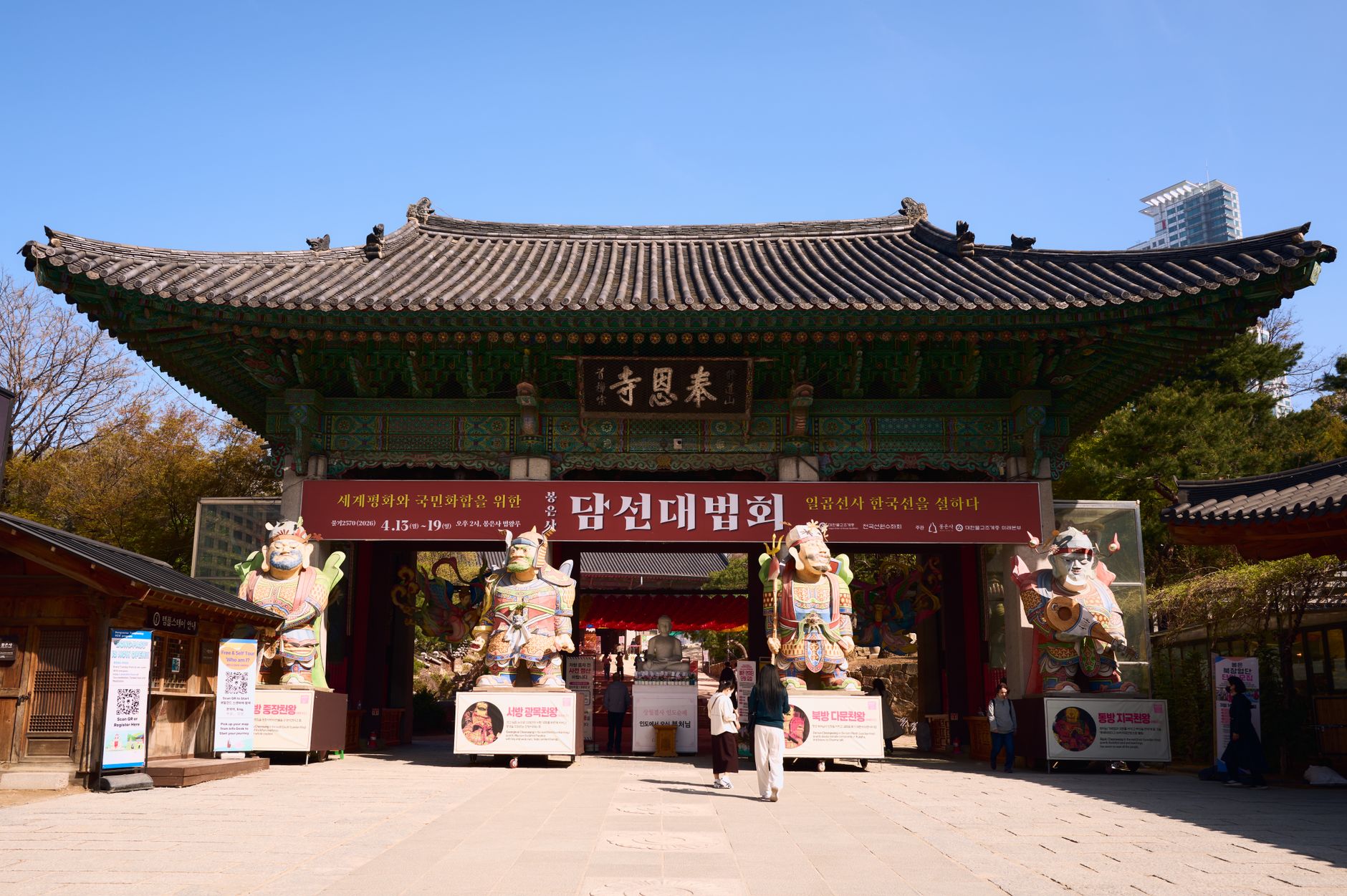 Front view of a traditional Korean temple gate adorned with large guardian statues. (Photo: CK Seng / Pexels)
Tteokbokki Town: The Birthplace of Korea's Most Beloved Street Food
No Sindang dong Seoul guide would be complete without Tteokbokki Town — arguably the neighborhood's claim to fame. If you've had tteokbokki (chewy rice cakes in spicy-sweet gochujang sauce) from a street cart, know that Sindang-dong does it differently. This is widely considered the birthplace of jeukseok tteokbokki — "instant" or made-to-order tteokbokki — where nothing comes pre-cooked. Instead, a shallow pan loaded with raw ingredients lands on a burner built into your table, and you watch it bubble away in front of you. An entire alley of restaurants, many operating for decades, lines up side by side here. The name "Town" is well earned.
To eat like a local, the order matters. The classic move: start with the base tteokbokki, then add ramyeon noodles and jjolmyeon (extra-chewy noodles) to the pan, and crack in an egg near the end. Fish cakes, dumplings, and glass noodles are popular additions that deepen the broth. And here's the part first-timers always miss — when you've finished the main event, ask for fried rice. The staff will stir rice directly into the leftover sauce, scraping up all the caramelized bits. It's the mandatory finale, and honestly, some people would argue it's the best part.
A few practical tips: to dodge the lines, aim for the mid-afternoon lull between 2 and 4 PM, or arrive before the dinner rush kicks in. Also note that most jeukseok tteokbokki restaurants require a minimum order of two portions, so solo travelers should either check ahead or bring a friend — or embrace the challenge of a two-person portion alone. No judgment.
Seoul Jungang Market: Where a Traditional Market Became a Hip Hangout
Once you've eaten your fill, walk over to Seoul Jungang Market (Seoul Central Market), a traditional market that has anchored this neighborhood for generations. The reason younger Koreans have started flocking back isn't nostalgia — it's the surreal mix of old and new packed into its covered arcades. Slip down a side passage between a butcher shop and a dried-fish vendor, and you might find a stylish natural wine bar or a coffee roaster occupying a former rice mill. That jarring, wonderful contrast is precisely the appeal.
The real magic of this market is that it has two completely different faces. By day, it's a working traditional market in full swing: side-dish vendors, fruit stands, and dried seafood stalls doing brisk business with neighborhood shoppers. After sunset, the energy flips. Small bars and izakaya-style pubs hidden in the market's inner alleys switch on their lights one by one, and the whole place transforms into something closer to a moody night market.
Don't skip the market food, either. Long-running stalls serve hand-cut kalguksu noodle soup, bindaetteok (crispy mung bean pancakes), and sundae (Korean blood sausage — trust me, better than it sounds). Between snacking and browsing the local shops, an hour disappears fast. The fact that a living, breathing market like this exists just steps from Dongdaemun is one of Sindang-dong's quiet privileges.
Sindang-dong's Cafe and Bar Alleys: A Newtro Photographer's Paradise
The highlight of any Sindang-dong wander is stumbling into its hidden cafes and bars. Scattered through the backstreets are one-of-a-kind spaces built inside converted print shops, old grain mills, and aging houses — every door you open feels like a small discovery. These aren't cookie-cutter franchise coffee shops; they're independent spots where the owner's taste shows in every detail, which makes cafe-hopping here feel more like gallery-hopping.
If you love photography, consider this neighborhood a goldmine. Weathered brick walls, vintage furniture, and original hand-painted shop signs preserved from previous decades give everything that "newtro" aesthetic — Korea's beloved blend of new and retro — without anyone trying too hard. You don't need to stage a shot. The spaces themselves do the work.
For the ideal day plan, follow the local rhythm: cafes by day, bars by night. Spend the afternoon with a pour-over and a dessert in a quiet cafe, then, as the sun goes down, migrate to a wine bar or izakaya in the very same alley to close out the evening. Very few Seoul neighborhoods let you enjoy a full day-to-night arc within a couple of blocks — Sindang-dong is one of them.
A Half-Day Sindang-dong Itinerary (Plus Practical Tips)
Short on time? Good news: half a day is genuinely enough to hit the highlights, which is part of why this Sindang dong Seoul guide works so well as an add-on to a Dongdaemun or Euljiro day.
Getting there: Base yourself around Sindang Station (Lines 2 and 6) or Dongdaemun History & Culture Park Station (Lines 2, 4, and 5). Both put the main spots within walking distance. If you're coming from Dongdaemun, you can simply walk over — no transfer needed.
The recommended loop:
- Start at Tteokbokki Town — fill up on made-at-your-table jeukseok tteokbokki (don't skip the fried rice finish).
- Walk to Seoul Jungang Market — browse the stalls, sample market snacks, soak in the daytime bustle.
- Cafe break — duck into one of the converted-building cafes in the alleys around the market.
- Stay for the evening — if your schedule allows, transition to a hidden bar or izakaya as the market shifts into night mode.
Before you go, keep these in mind:
- Carry some cash. A handful of older restaurants and market stalls may be cash-only. Most places take cards, but a few 10,000-won notes are cheap insurance.
- Skip the car. The alleys are narrow and parking is scarce. Seoul's subway makes this an easy call anyway.
- Check hours ahead of time. Family-run restaurants and market shops set their own schedules, and closing days vary wildly from one shop to the next. A quick check on Naver Map (Korea's Google Maps equivalent) before visiting saves disappointment.
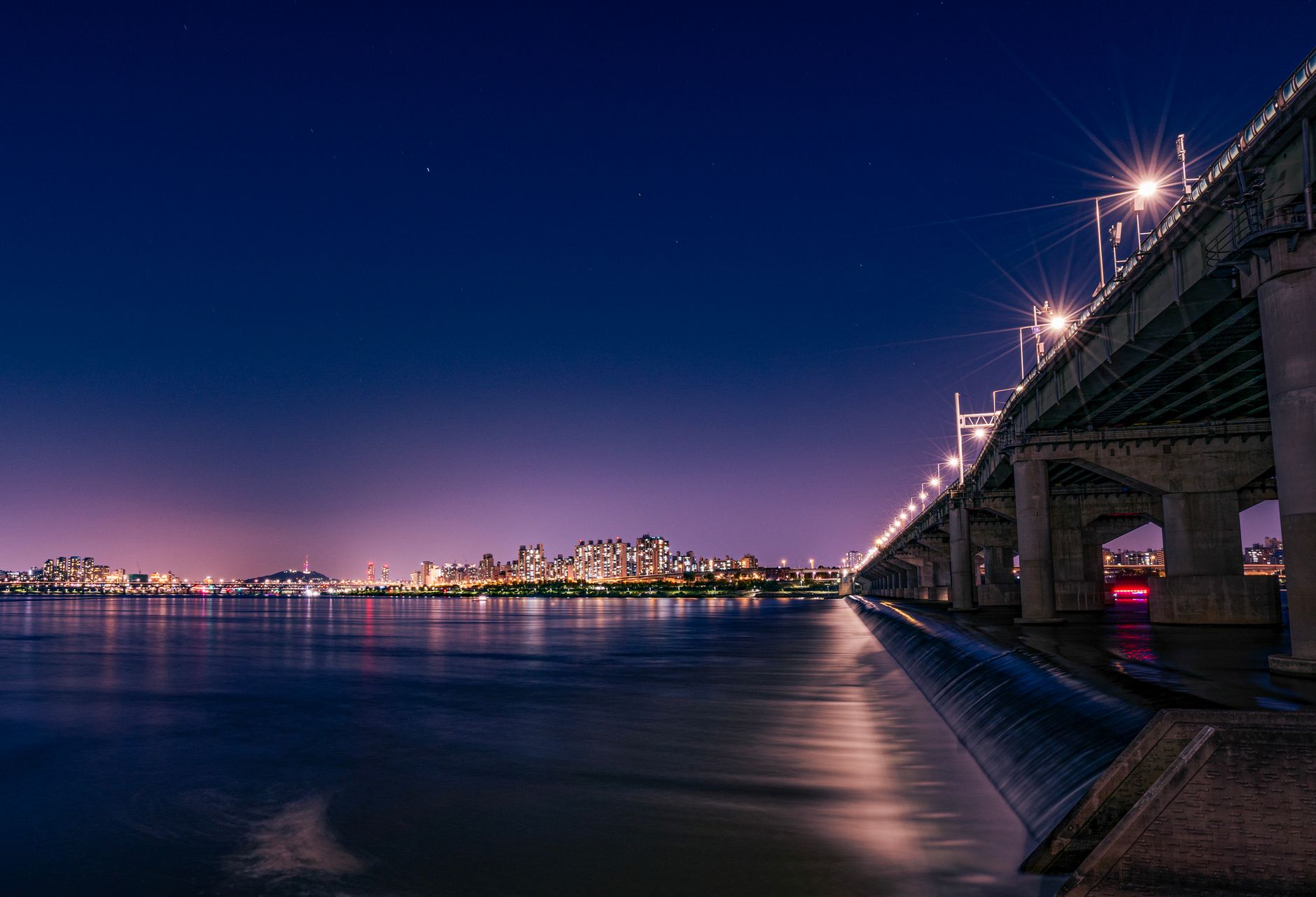 Vibrant night view of Seoul with illuminated bridge and city skyline reflecting on Han River. (Photo: YEON JUNG / Pexels)
Frequently Asked Questions
Q: Which subway station is closest to Sindang-dong? A: Sindang Station (Lines 2 and 6) and Dongdaemun History & Culture Park Station (Lines 2, 4, and 5) both work. Sindang Station is closer to Tteokbokki Town and Seoul Jungang Market, while Dongdaemun History & Culture Park Station is the natural entry point if you're walking over after shopping at Dongdaemun. Check the exit numbers before you surface — it'll save you a few wrong turns.
Q: Which restaurant in Tteokbokki Town is the best? A: The honest answer from any Sindang dong Seoul guide: they're all worth trying, and the differences come down to taste. Restaurants here have decades of history, and each has loyal regulars. If you like a rich, deep broth, pick a spot generous with fish cakes and glass noodles; if you prefer a cleaner, simpler flavor, choose one that focuses on noodle add-ins. Half the fun is comparing — locals debate their favorites endlessly.
Q: Can I walk to Sindang-dong from Dongdaemun? A: Absolutely. Sindang-dong sits right next to Dongdaemun, an easy walk from DDP and the Euljiro area. It flows naturally after a shopping trip or a Euljiro cafe crawl, and the walk itself — through Euljiro's atmospheric backstreets — is arguably part of the experience.
Q: What's the best time of day to visit Sindang-dong? A: It depends on what you're after. For cafes, market browsing, and photos, go during the relaxed daytime hours. For the night-market vibe and hidden bars, come after sunset. Since the neighborhood's day and night personalities are so different, the ideal plan is to arrive in the afternoon and stay through the evening — you get both faces in one visit.
Final Thoughts: The Real Seoul, One Neighborhood Over
That wraps up this Sindang dong Seoul guide — a walk through the birthplace of made-to-order tteokbokki, a traditional market with a double life, and cafe alleys where old Seoul and new Seoul share the same walls. What makes Sindang-dong stand out isn't any single attraction. It's the fact that, in half a day, you can experience a version of Seoul that hasn't been curated for visitors — the raw, lived-in city that most itineraries miss entirely.
So if you've already done Seongsu and Ikseon-dong and you're hunting for what's next, spend your next free afternoon wandering Sindang-dong's alleys. Pack a little cash, wear comfortable shoes, and come hungry. The Seoul that only locals know is waiting right next to Dongdaemun — and for now, at least, you'll still beat the crowds to it.