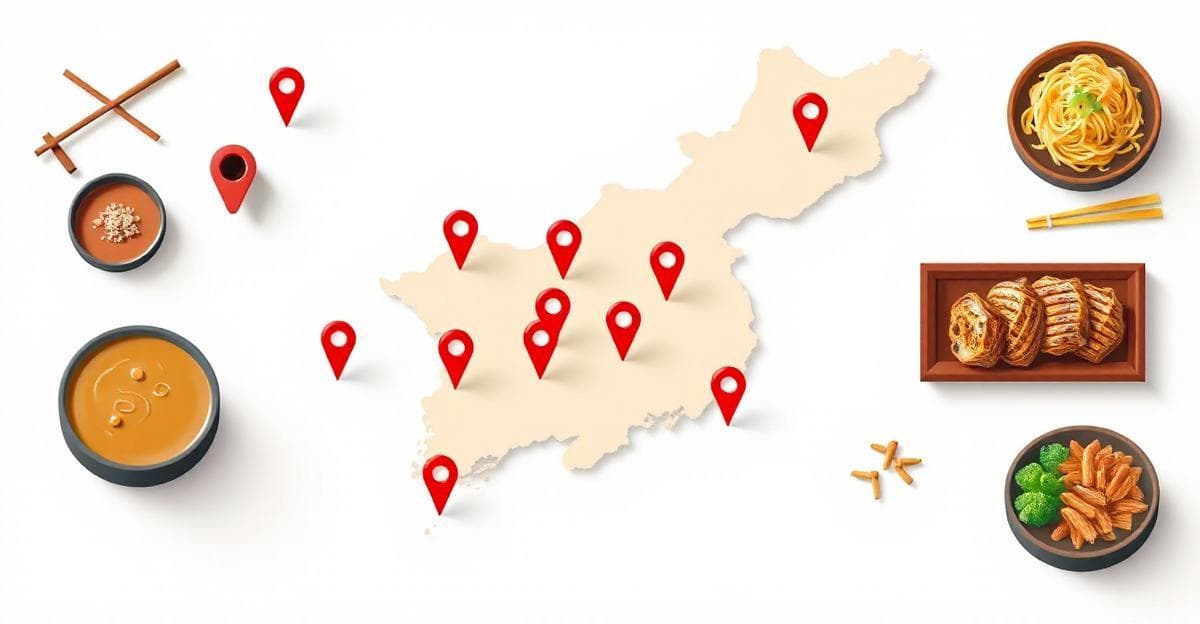
Restaurants Featured on TV: Locations, Menus & Prices
Find restaurants featured on TV with locations, signature dishes, and prices by region. Plus tips to skip long waits and a pre-visit checklist.
Restaurants Featured on TV: How to Find Them, Map Them, and Visit Without the Letdown
You know the moment. A steaming bowl of soup fills the screen, the camera lingers on meat sizzling over charcoal, and before the segment even ends you're reaching for your phone instead of the remote, typing some version of "where is that place?" Restaurants featured on TV have a magnetic pull that no banner ad can match — but actually finding them is harder than it should be. Search results give you a restaurant name with no address, or an address from three years ago, or a dozen copycat listings, and suddenly your weekend food pilgrimage ends in front of a shuttered storefront.
This guide fixes that. Below you'll find a reliable system for tracking down the exact locations of restaurants featured on TV, a simple template for building your own master list, region-by-region planning tips, and a pre-visit checklist that will save you from wasted trips. Whether you're chasing spots from Diners, Drive-Ins and Dives, a Netflix food documentary, or the legendary hole-in-the-wall shows of Korean and Japanese television, the method is the same — and it works.
Why We Trust Restaurants Featured on TV in the First Place
There's a reason a TV appearance functions like a seal of approval. Long-running food programs — think of shows that have aired weeknight after weeknight for over a decade — build credibility through sheer volume and access. Producers don't just film the dining room; they go into the kitchen, watch the broth being made at dawn, and film the owner breaking down the day's ingredients. That behind-the-scenes access is something a sponsored blog post or a paid influencer reel simply can't fake, and viewers know it.
Korea offers perhaps the clearest example of this phenomenon. Evening information programs there have profiled thousands of restaurants across the country since the early 2010s, and a single two-minute segment can send a quiet neighborhood soup joint into weeks of lines around the block. The same dynamic plays out everywhere: a Guy Fieri visit can define a diner's business for a decade, and one episode of Somebody Feed Phil can put a market stall on the global food-tourism map.
The problem starts the moment the credits roll. Search volume spikes within minutes of a broadcast, but the restaurant's name often flashes on screen for just a few seconds. Location details end up scattered across the network's website, fan blogs, Reddit threads, and map-app reviews — never in one place. Here's how to pull those scattered pieces together.
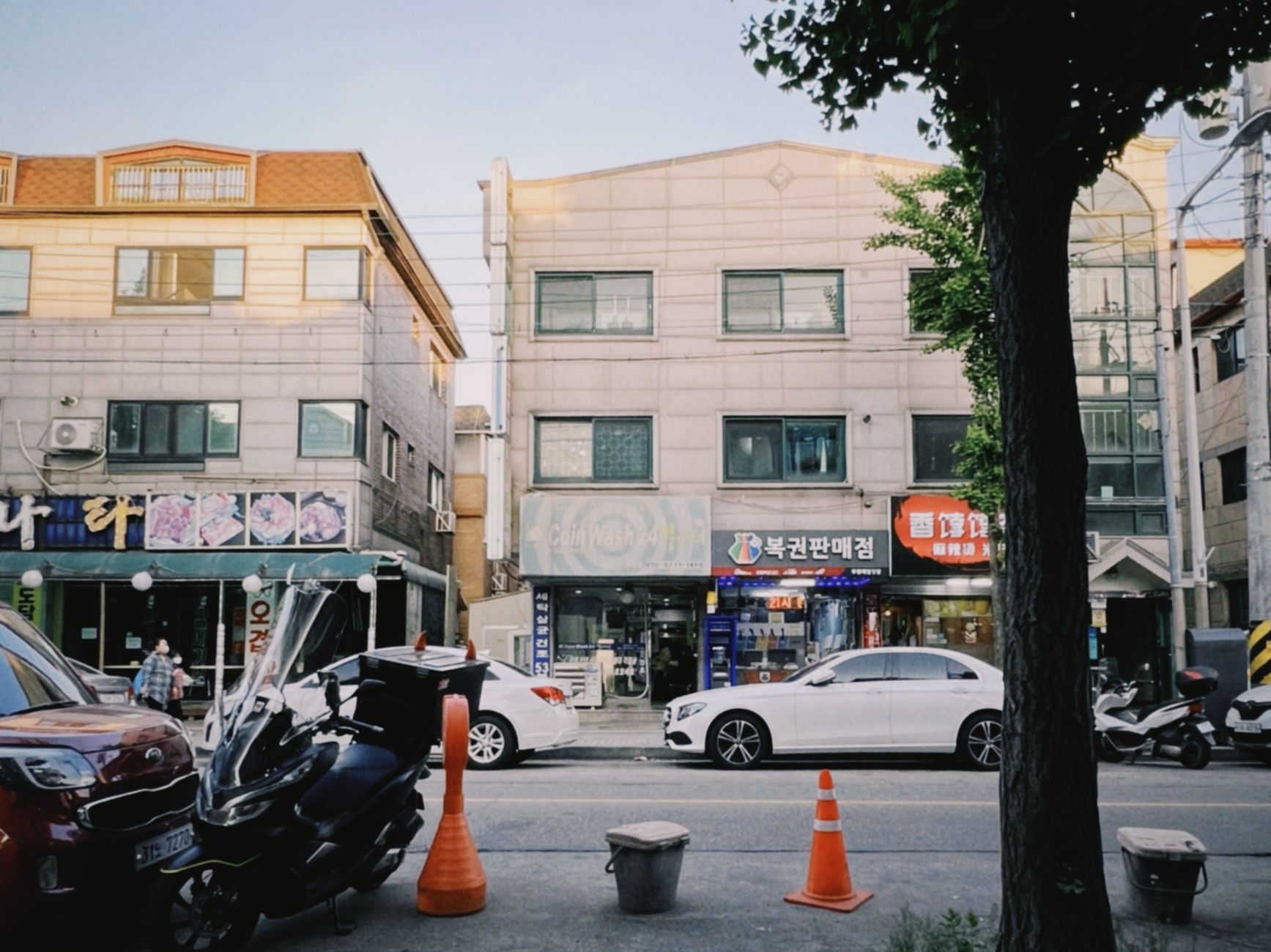 Bustling street view in Ansan-si, South Korea, featuring traffic, shops, and buildings on a sunny day. (Photo: Aibek Skakov / Pexels)
How to Pin Down the Exact Location of Any TV-Featured Restaurant
The single most reliable source is the show's official episode page. Most networks publish an episode guide listing every business featured, usually with the restaurant's name, address, and sometimes a phone number. Start there, confirm the exact spelling of the name, and then move to a map app. That two-step sequence — official episode page first, map app second — solves ninety percent of location hunts.
For everything else, build yourself a simple tracking table. Fill in one row per restaurant as you watch, and you'll gradually assemble a personal map of every place you've ever wanted to try:
| What to Record | How to Get It Right | Search Strategy | |---|---|---| | Restaurant name | Verify exact spelling on the show's official episode page | Search "restaurant name + neighborhood" | | Address | Note the full street address, not just the city | Paste it directly into Google Maps | | Signature dish | Record the exact dish name shown on air | Search "city + dish + show name" | | Price range | Treat on-air prices as a snapshot, not a promise | Re-check against reviews from the last month | | Air date and episode | The key detail that makes every other search work | Search "show name + air date + dish" |
That last row is the secret weapon most people miss. When you can't remember a restaurant's name, the combination of show title, air date, and dish almost always surfaces it — fan communities and subreddits index episodes obsessively, and someone has usually posted the full rundown within hours of broadcast.
One more trick: search the show's name directly inside your map app. Reviewers love to mention TV appearances ("as seen on…"), so typing a show title plus a city name into Google Maps often surfaces featured restaurants even when you've forgotten what they're called. If you're traveling in Korea, run the same search in Naver Map or KakaoMap — local reviewers there flag TV appearances even more diligently.
Big-City Spots: Start With the Ones You Can Actually Reach
If you live in or near a major city, begin with featured restaurants you can reach by public transit. TV producers gravitate toward atmospheric locations — decades-old stalls inside traditional markets, tiny family-run spots down an alley, no-frills joints near a subway station — and those places tend to be transit-friendly but parking-hostile. Before you go, pull up directions in your map app and check whether it's a ten-minute walk from the station or a two-transfer odyssey.
Three things are worth checking in advance:
- Parking. Market stalls and alley restaurants rarely have their own lots. Find a public garage nearby before you leave home, not while circling the block with a hungry family in the back seat.
- Wait intensity. Search the restaurant's reviews for words like "wait," "line," and "queue." Real visitors will tell you exactly how bad it gets and at what hours — far more useful than the star rating.
- Takeout. If the line turns out to be brutal, ordering to go and eating in a nearby park is a perfectly honorable exit strategy. Check whether takeout is offered before you commit to the trip.
Making TV Restaurants Part of a Road Trip
The real charm of long-running food shows is their geographic reach — they go everywhere, including towns no food influencer would think to visit. Regional specialties tend to cluster predictably: coastal cities mean seafood and hearty pork soups, inland food towns are famous for grilled specialties and noodles, and certain provinces are known for elaborate set-menu spreads that arrive in a dozen small dishes. If a trip is on your calendar, search the destination alongside the show's name and slot the results into your route.
Here's a route-planning method that consistently works. Pick your main sightseeing destination for the day first, then search a 5–10 km (3–6 mile) radius around it for TV-featured restaurants. Assign the TV spot to lunch and keep dinner flexible for whatever locals near your hotel recommend — that split reliably delivers two great meals a day instead of one overhyped one. And schedule the famous place for lunch, not dinner: small, old-school restaurants frequently close early when the day's ingredients run out, and "sold out by 2 p.m." is a badge of honor at exactly the kind of place TV crews love.
The Pre-Visit Checklist That Saves Wasted Trips
The most common mistake is trusting the broadcast alone and simply showing up. Hours, break times, and closing days all change after a restaurant airs — often because it aired. Many owners add an afternoon break or shift their day off to cope with the post-broadcast crowds. One phone call before you leave can save you a two-hour round trip; it's the cheapest insurance in food tourism.
Timing matters just as much. The two to three weeks immediately after a broadcast are peak chaos, with weekend waits stretching past an hour at popular spots. If you must go during that window, arrive right at opening on a weekday — the "open run," as Korean diners call it — or aim for the dead zones between meal rushes: after 1:30 p.m. for lunch, before 6 p.m. or after 8 p.m. for dinner. Alternatively, embrace patience. Wait a month or two for the buzz to fade, and you'll get the same food with a fraction of the line. The kitchen doesn't forget how to cook when the cameras leave.
How to Avoid the Post-Broadcast Letdown
Not every restaurant featured on TV lives up to its edit. Television compresses, flatters, and occasionally exaggerates, so cross-checking is essential. Before you go, read reviews from the last one to three months specifically — recent review momentum tells you far more than an all-time star average, which may be propped up by years-old ratings. Pay special attention to whether the signature dish from the broadcast still earns praise, and look for reviews that open with "saw this on TV" — those reviewers arrived with the same expectations you have, which makes their verdict unusually relevant.
To reclaim your waiting time, lean on virtual waitlist apps. Yelp Waitlist covers many US spots; CatchTable and Tabling dominate in Korea; similar services exist in most major food cities. If the restaurant is registered, you can join the line remotely and sip a coffee at a café nearby instead of standing on the sidewalk in July heat. Just don't assume every place participates — the old-school spots that TV loves most are often cash-only, app-free operations, so check the restaurant's map listing for reservation or waitlist support before you build a plan around it.
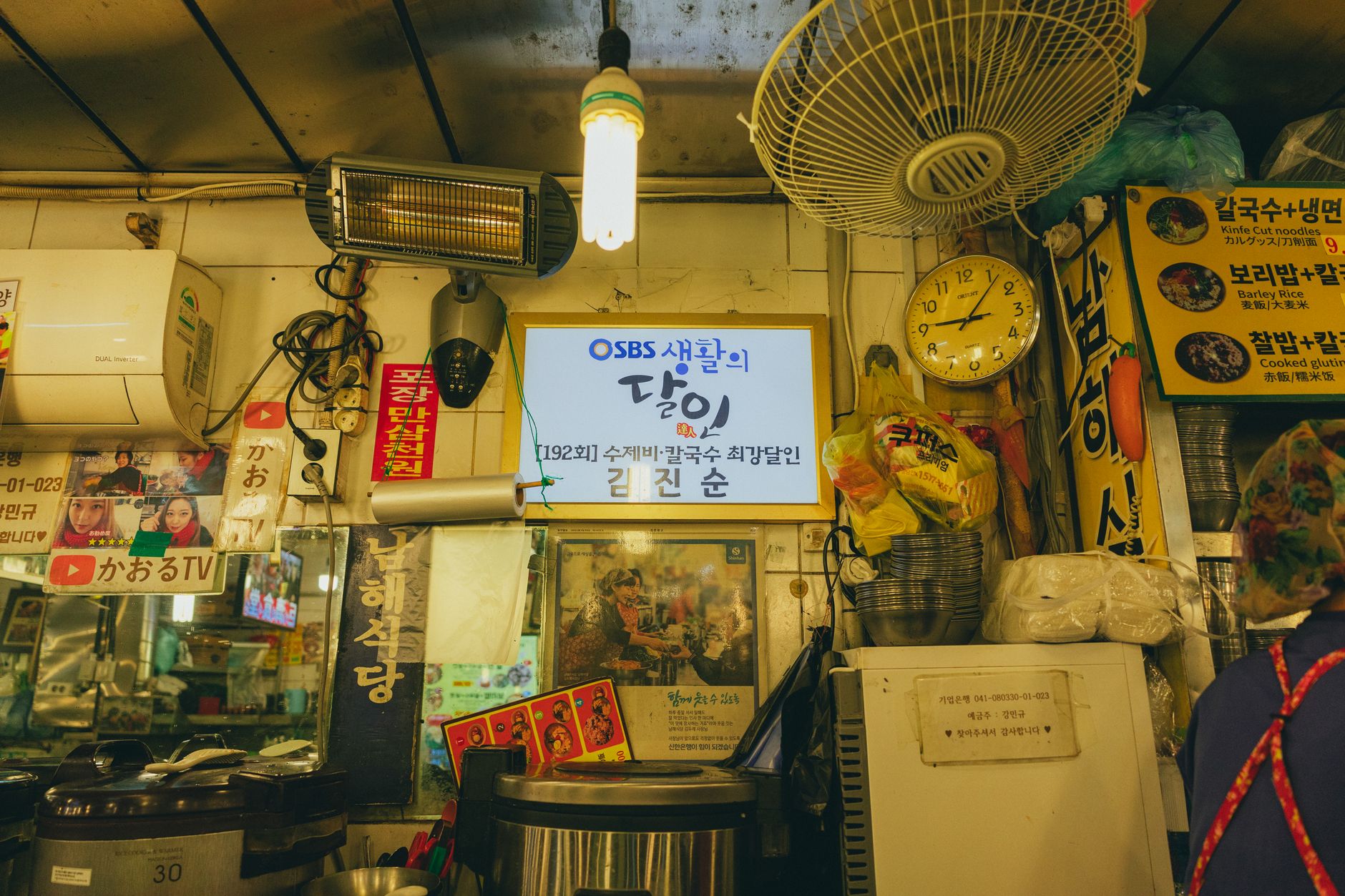 A colorful scene inside a traditional Seoul market showcasing Korean culture and food. (Photo: Theodore Nguyen / Pexels)
Frequently Asked Questions
Q: How do I find the exact address of a restaurant I saw on TV?
A: Start with the show's official episode guide, which usually lists every featured business with its name and address. Once you have the exact name, search "name + neighborhood" in Google Maps to get the location, hours, and recent reviews in one view. If the episode guide fails you, search the show name plus the air date plus the dish — fan communities almost always post full episode rundowns. Logging each find in a tracking table like the one above makes them easy to retrieve later.
Q: How long are the lines at restaurants featured on TV?
A: The two to three weeks right after broadcast are the worst, with weekend waits of an hour or more at buzzy spots. Arriving at opening time on a weekday is the most reliable workaround, and virtual waitlist apps can spare you the sidewalk standing where they're supported. If flexibility is an option, visiting a month or two after the episode airs usually means the same menu with dramatically shorter lines.
Q: Do prices or menus change after a restaurant appears on TV?
A: They can, yes. Rising ingredient costs push prices up, and some kitchens trim their menus to handle the surge in volume. Occasionally a restaurant relocates or closes temporarily under the pressure of sudden fame. That's why a quick phone call and a scan of reviews from the past month are non-negotiable steps before any long drive.
Q: How do I build TV-featured restaurants into a travel itinerary?
A: Anchor each day around your main sightseeing stop, then search a 5–10 km radius for featured restaurants and assign the best one to lunch. Small legacy restaurants often sell out and close early, so an early lunch is the safe slot. Reserve ahead where possible, and pad the drive between restaurant and attraction with at least thirty minutes of buffer — famous spots have a way of running behind.
Final Thoughts
Here's the whole system in four lines. Confirm the restaurant's name and address on the show's official episode page, then search "name + neighborhood" in your map app. Call ahead to verify hours and closing days, because both routinely change after a broadcast. During the two-to-three-week post-broadcast rush, go at weekday opening or use a virtual waitlist app. And always cross-check the TV hype against reviews from the last month before committing to a long trip.
Restaurants featured on TV earn their fame for a reason — a camera crew standing in a kitchen at 5 a.m. is a stronger endorsement than any ad. The trick is simply arriving with good information: right address, right hours, right expectations. So this weekend, look up that place you bookmarked mid-episode and actually go. Keep filling in your tracking table one broadcast at a time, and before long you'll have something better than any listicle: your own personal map of TV-approved eating, tested one meal at a time.