
Things to Do in NYC: 4 Must-See Spots for First-Timers
Discover the top things to do in NYC — Central Park, Times Square, Brooklyn Bridge, and The Met, with routes, ticket prices, and insider tips.
4 Best Things to Do in NYC: A First-Timer's Guide That Never Misses
Planning your first trip to New York City comes with a familiar problem: there's too much to see and never enough time. Most visitors have three to five days, a map of Manhattan crammed with dozens of attractions, and no idea where to start. Get the routing wrong and you can burn an entire day just moving between neighborhoods.
That's why this guide cuts through the noise. Below are the four best things to do in NYC as of July 2026 — a shortlist of proven, can't-miss experiences that work even if you've never set foot in the city. For each one, you'll find the best photo spots, the ideal time of day to visit, and practical tips for saving money. If you want to hit New York's highlights efficiently on a short itinerary, this article gives you the skeleton of your entire plan.
One more thing before we dive in: it's peak summer season right now, which means big crowds. Booking ahead and planning your route matter more than ever. Let's get into it.
What to Know Before You Go
The best times to visit New York are generally spring (April–June) and fall (September–November), when the weather is mild and Central Park is at its most beautiful. In July, daytime temperatures regularly climb past 90°F (32°C), so pack light clothing, sunscreen, and a refillable water bottle. That said, museums and subway cars tend to blast the air conditioning, so a light layer is worth carrying. Winter (December–February) brings frequent cold snaps, but if you're chasing that iconic Christmas-in-New-York atmosphere, it's worth braving with a heavy coat.
For getting around, the subway is your answer. The old MetroCard has been replaced by OMNY, a contactless tap-to-pay system. There's no separate card to buy — just tap a contactless credit card, Apple Pay, or Google Pay at the turnstile and walk through. Even better, OMNY reportedly includes weekly fare capping: ride enough times in a week with the same payment method, and additional rides that week are free. For travelers who lean heavily on public transit, that's a genuine money-saver.
If you're planning to visit several paid attractions, compare bundled passes like CityPASS or Go City before you arrive. They're known to save roughly 30–40% compared to buying individual tickets. And here's a budget-friendly spoiler: three of the four picks in this guide are completely free.
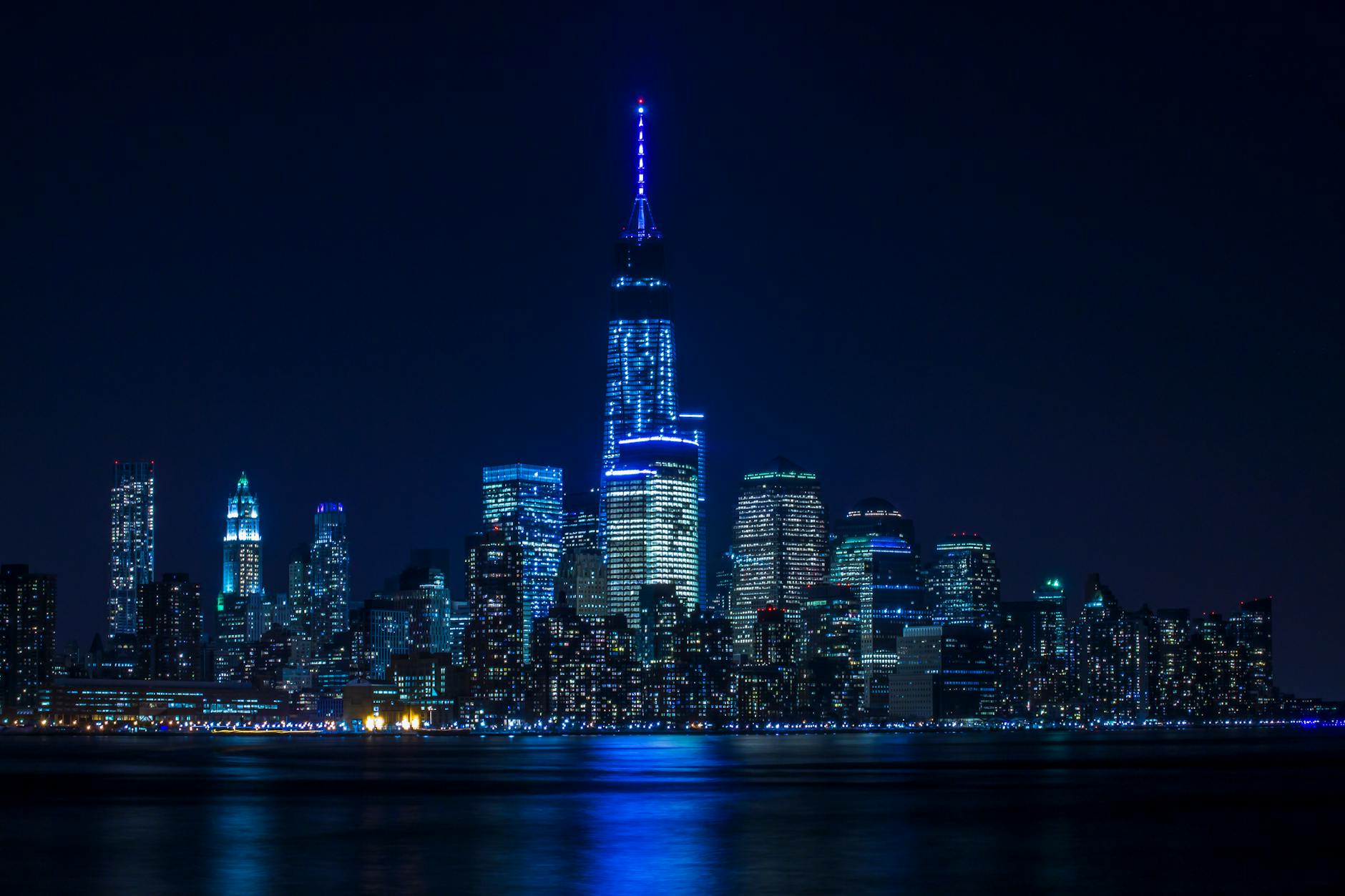 Illuminated New York City skyline reflecting over the Hudson River at night. (Photo: Reynaldo #brigworkz Brigantty / Pexels)
1. Central Park — Unwind Like a Local in the Middle of Manhattan
Any list of things to do in NYC has to start with Central Park. This massive green space in the heart of Manhattan costs absolutely nothing to enter, yet delivers as much as any ticketed attraction. Stepping off the pavement and into the trees, you momentarily forget you're surrounded by one of the densest cities on Earth.
The best walking route starts at the southern entrance near 59th Street and heads north. Begin with The Mall, the park's famous elm-lined promenade, then continue to Bethesda Fountain and Bethesda Terrace — the park's signature photo spot. From there, walk to Bow Bridge, which you'll recognize from countless movies. This loop naturally hits all the essential photo locations and takes about 90 minutes to two hours.
The park changes with the seasons, and summer is arguably its best. Right now, grab a sandwich and join the New Yorkers picnicking on the lawn at Sheep Meadow — it's the easiest way to feel like a local rather than a tourist. Renting a bike from one of the vendors near the park is another popular option; a loop around the park drives lets you cover far more ground than walking in the same amount of time. If you visit in winter instead, ice skating at Wollman Rink is the classic move. Whatever the season, there's something here.
2. Times Square — The Heart of New York, Best After Dark
Times Square is the ultimate New York photo op, and it's a place that truly comes alive at night. It's busy during the day, sure, but nothing compares to the moment after sunset when the giant LED billboards light up on every side of you at once. The sensory overload is the whole point. Aim to arrive after 8 PM when it's fully dark, and climb the famous Red Steps (the TKTS steps) for a panoramic view of the billboards stretching down Broadway.
The other essential Times Square experience is a Broadway show. Full-price tickets can be steep, but the TKTS booth — located right under those red steps — sells same-day tickets at discounts reportedly reaching nearly 50% off. If there's a specific show you can't miss, book in advance through official channels to be safe. But if your attitude is "I just want to experience Broadway, any great show will do," TKTS is the most practical way to see a show without wrecking your budget.
One routing tip: Times Square itself only takes 30 minutes to an hour to explore. The smart play is to arrive before your show starts, soak in the lights, watch the performance, and then walk back through the glowing streets afterward — one visit, double the payoff. And since this is one of the most crowded spots in the city, wear your bag in front and keep an eye on your belongings.
3. Brooklyn Bridge — The Best Skyline Photos in New York
Third on our list of the best things to do in NYC is the Brooklyn Bridge, an engineering icon with more than 130 years of history. Like Central Park, it's completely free, and walking across the span between Manhattan and Brooklyn is consistently one of the most memorable moments of any New York trip.
Direction matters here. The recommended route: take the subway to the Brooklyn side first (High St station is closest), then walk back across the bridge toward Manhattan. Done this way, the Manhattan skyline unfolds directly in front of you for the entire crossing — every step comes with a ready-made backdrop for photos. The walk takes 40 minutes to an hour, including photo stops.
Before you cross, make time for DUMBO, the neighborhood on the Brooklyn side. This is home to the famous Washington Street photo spot, where the Manhattan Bridge appears perfectly framed between two red-brick buildings. Go early in the morning and you can usually shoot without waiting in line. If your schedule allows, time your bridge walk for sunset instead — watching the skyline turn gold while the building lights flicker on one by one is widely considered the most beautiful moment of the day.
DUMBO is also a legitimate food destination. The area is packed with celebrated wood-fired pizzerias that travelers happily queue for, and Brooklyn Bridge Park along the waterfront has charming cafes and ice cream shops that make perfect rest stops between photo sessions.
4. The Metropolitan Museum of Art — A World-Class Museum You Could Spend Days In
The final must-do is the Metropolitan Museum of Art — "the Met" — ranked alongside the Louvre and the British Museum among the world's greatest. Its collection is so vast that seeing everything would genuinely take days, so if you're on a short trip, the smart approach is a focused two-to-three-hour highlights tour.
Here's an efficient route through the essential galleries. Start on the first floor in the Egyptian wing, where the Temple of Dendur — an actual ancient temple relocated stone by stone — sits in a dramatic glass-walled hall. Pass through the Greek and Roman sculpture galleries, then head upstairs to the European Paintings galleries, home to masterpieces by Van Gogh, Monet, and Rembrandt. If you have time left over, the American Wing's period rooms and the Arms and Armor collection round out a satisfying half-day visit.
Book tickets on the official website in advance to skip the box office line. Adult admission runs about $30, and the Met is sometimes included in CityPASS-style bundles, so check before buying separately. And here's a July-only bonus: the seasonal rooftop garden. From the museum's roof, you get a sweeping view of Central Park's greenery with the Manhattan skyline rising behind it — a privilege reserved for warm-weather visitors. The rooftop typically operates from spring through fall, so confirm it's open before your visit.
How to Plan Your Route: A 2-Day Itinerary
Look at these four spots on a map and an efficient route draws itself. The Met sits on the eastern edge of Central Park, Times Square is just a few subway stops south of the park, and only the Brooklyn Bridge is farther downtown.
Here's how to split them across two days:
Day 1 (Uptown & Midtown): Morning highlights tour at the Met → afternoon stroll and picnic in Central Park → evening at Times Square for the lights, or a Broadway show
Day 2 (Downtown & Brooklyn): Early morning photos at the DUMBO photo spot → walk the Brooklyn Bridge toward Manhattan → free afternoon (Wall Street and SoHo pair well with this route)
| Attraction | Time Needed | Admission | Best Time to Visit | |---|---|---|---| | Central Park | 2–3 hours | Free | Morning to midday | | Times Square | About 1 hour | Free | After 8 PM | | Brooklyn Bridge & DUMBO | 2 hours | Free | Early morning or sunset | | The Met | 2–3 hours | ~$30 | Right at opening |
As the table shows, three of the four best things to do in NYC cost nothing. With the museum as your only paid entry, you can cover all four highlights on roughly $35–40 a day beyond transit and food. One non-negotiable: comfortable walking shoes. This itinerary covers serious ground on foot.
Frequently Asked Questions
Q: How many days do I need in New York?
For the core highlights, four days and three nights is the realistic minimum. Budget at least two full days for the four spots in this guide, and use a third day for additional attractions like the Statue of Liberty or SoHo. If you want to add a side trip like Niagara Falls, plan for five days or more. With a long flight to get there, an itinerary that's too short can end up being mostly jet lag.
Q: New York is expensive — how do I save on attractions?
Start with the good news: Central Park, Times Square, and the Brooklyn Bridge are completely free. If you're visiting three or more paid attractions, compare CityPASS and Go City. CityPASS bundles a fixed set of top attractions, which suits first-time visitors, while Go City lets you choose the number of attractions or days yourself, which works better for flexible itineraries. For Broadway, the TKTS same-day discount booth can cut ticket prices dramatically.
Q: Is New York safe for tourists?
The main tourist areas — Times Square, southern Central Park, and similar districts — have a heavy police presence and are generally considered safe. Standard precautions apply: avoid the subway late at night, stay out of empty park areas and side streets after dark, wear your bag in front in crowded places, and don't walk around with your phone loosely in hand. Follow the basics and you'll find New York a very manageable city to explore.
Final Thoughts
There you have it — the four best things to do in NYC: Central Park, Times Square, the Brooklyn Bridge, and the Metropolitan Museum of Art. Three are free, and all four fit comfortably into two days, making this the most reliable foundation a first-time visitor could ask for. Spend your days relaxing in the park and wandering world-class galleries, then let the billboards and skyline dazzle you at night. That contrast is the essence of a New York trip.
Use the itinerary above as your skeleton and fill in the details that fit your style. Once your flights and hotel are locked in, book your Met tickets and Broadway show next — in peak season, that's the single most important step in your planning. Here's to a first trip to New York that goes exactly right.