
10 Must Visit Places in Korea Even Locals Rave About
Discover the top must visit places in Korea — from Seoul's royal palaces to Busan's beaches and K-food alleys, all picked from a local's perspective.
10 Must Visit Places in Korea: A Local's Guide to the Spots Foreigners Love Most
Korea has never been more popular with international travelers. In the summer of 2026, visitors are arriving in waves — K-pop fans timing their trips around concert schedules, drama lovers retracing their favorite filming locations scene by scene, and food travelers chasing the street eats they discovered on YouTube. With all this attention, one question keeps coming up: what are the truly must visit places in Korea?
Here's the funny thing — even Koreans freeze up when a foreign friend asks that question. The places we walk past every day without a second thought turn out to be the very spots international visitors rave about most. That gap between "ordinary for locals" and "unforgettable for visitors" is exactly what this guide is built around.
Below, you'll find the must visit places in Korea organized by region, food, and season — written from a local's perspective, with the practical tips guidebooks usually skip. Whether you're planning your first trip to Korea or hosting a friend who's visiting, read on to the end.
Why Travelers Fall in Love with Korea: 3 Big Reasons
First, K-content. Millions of people experience Korea on a screen before they ever set foot in the country — through K-dramas, K-pop, and Korean films. Visiting the actual filming locations and idol agency buildings has become an established travel pattern in its own right. For a devoted fan, the street food alley from their favorite drama carries the same emotional weight as the Eiffel Tower does for a first-time visitor to Paris.
Second, the collision of ancient and ultramodern. Stand in Gwanghwamun Square and you'll see the stone walls of a 600-year-old palace framed by glass skyscrapers. Walk through Bukchon and traditional hanok rooftops line up against N Seoul Tower in the distance. Centuries of history compress into a few footsteps — a visual experience travelers consistently say they can't find anywhere else.
Third, sheer convenience. Korea is remarkably easy to travel. The streets feel safe to walk alone late at night, subway trains arrive every few minutes, and 24-hour cafés and convenience stores mean the city never really closes. There's a saying among foreign travelers: "In Korea, the night is never wasted."
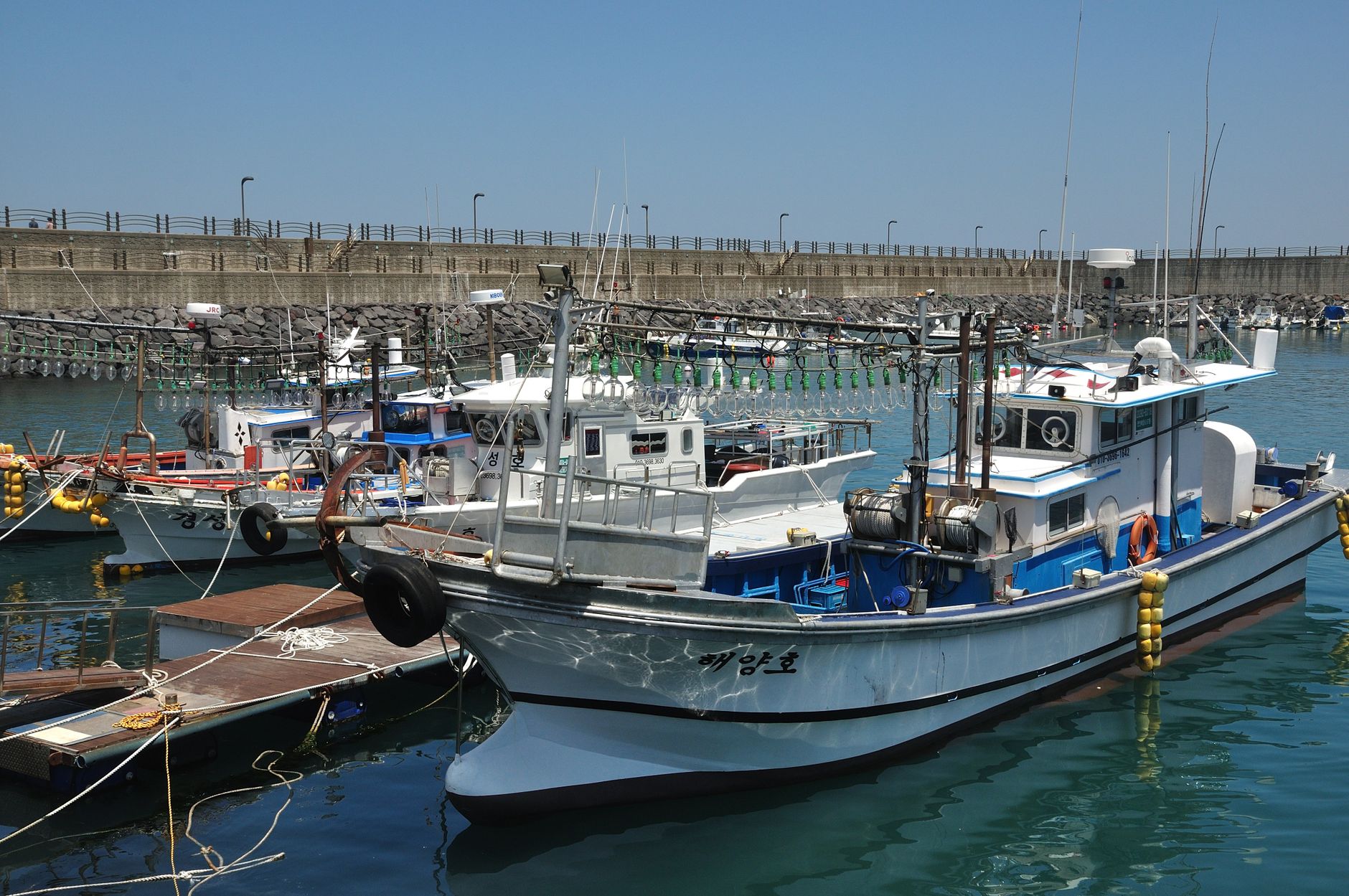 Fishing vessels docked at a harbor in South Korea under clear blue skies. (Photo: Coman Yu / Pexels)
Seoul Essentials: From Royal Palaces to the Han River
Any list of must visit places in Korea starts with Gyeongbokgung Palace, the grandest of Seoul's five royal palaces. Here's the insider move: admission is free if you're wearing hanbok, Korea's traditional dress. Rental shops cluster around the palace gates, and you'll see visitors from all over the world strolling the courtyards in flowing silk robes. It's not just sightseeing — it's an immersive experience of standing in a royal space wearing the clothing of that era. Pair it with Bukchon Hanok Village, a hillside neighborhood of traditional Korean houses within walking distance, and you have a perfect half-day itinerary.
For a younger, trendier vibe, head to Hongdae and Seongsu. Hongdae is Seoul's street-performance and indie-culture hub, packed with buskers, quirky boutiques, and late-night energy. Seongsu — often called the "Brooklyn of Seoul" — is where old factories and warehouses have been reborn as industrial-chic cafés and brand pop-up stores. In recent years it's become the pop-up capital of the city, drawing trend-conscious travelers from around the world.
End the day at the Han River. Cook instant ramyeon at a riverside convenience store, order fried chicken delivered straight to your picnic mat, and crack open a cold beer — the beloved Korean ritual known as chimaek (chicken + maekju, the Korean word for beer). Catch the night view from Yeouido or Banpo, and you've completed the perfect Seoul day. Ask any foreign visitor what surprised them most about Korea, and "an evening by the Han River" comes up again and again.
Beyond Seoul: Busan, Jeonju, and Gyeongju
Leaving Korea after seeing only Seoul is like visiting Italy and skipping everything outside Rome. Three cities deserve a spot on your itinerary.
Busan, Korea's second city, delivers coastline and culture in equal measure. Gamcheon Culture Village — nicknamed the "Santorini of Korea" — is a hillside maze of candy-colored houses stacked in layers, threaded with murals and photo spots that can easily swallow half a day. Then there are the beaches: Haeundae and Gwangalli offer sand, surf, and a glittering city skyline after dark, with the illuminated Gwangan Bridge stretching across the bay.
Jeonju is where food and tradition meet. Stay overnight in a hanok guesthouse in Jeonju Hanok Village, then eat your way through the birthplace of bibimbap — the iconic mixed-rice dish tastes different in its hometown, and locals swear the bean-sprout soup (kongnamul gukbap) cures anything. Street snacks like handmade choco pies and grilled skewers keep the walking tour delicious between meals.
Gyeongju, the thousand-year-old capital of the ancient Silla Kingdom, is often described as a museum without walls. Spend the day at Bulguksa Temple and the Seokguram Grotto, both UNESCO World Heritage Sites, then wait for sunset at Donggung Palace and Wolji Pond. When the palace lights reflect off the still water at night, even lifelong Koreans stop and stare. For visitors, it's routinely the photo of the trip.
K-Food Spots That Win Over Every Palate
Food can make or break a trip to Korea — and more often than not, it makes it.
Gwangjang Market in Seoul tops the list. Squeeze onto a stool at a market stall and order bindaetteok (crispy mung bean pancakes), addictively snackable mini kimbap rolls, or yukhoe (Korean beef tartare) prepared right in front of you. Featured repeatedly in international food shows and travel content, Gwangjang has become shorthand for Korean street food itself — one of the true must visit places in Korea for anyone who travels on their stomach. Prefer something less touristy? Mangwon Market offers the same energy with a more local crowd. Grab sweet-and-crispy fried chicken bites (dakgangjeong), croquettes, and tteokbokki, then carry your haul to nearby Mangwon Han River Park.
Among sit-down meals, three dishes consistently rank as visitor favorites: Korean fried chicken, tteokbokki, and above all, samgyeopsal — thick-cut pork belly you grill yourself at the table. It's less a meal than a participatory event: grill the meat, snip it with scissors, wrap it in a lettuce leaf with garlic and ssamjang, and eat the whole parcel in one bite. Teaching a friend how to build a proper lettuce wrap is a culture lesson disguised as dinner.
Traveling with dietary restrictions? Plan ahead. Itaewon has a concentrated strip of halal-certified restaurants, and Seoul's vegan scene — including Buddhist temple cuisine restaurants — is growing steadily. Just confirm menus and make reservations before you go, since many traditional Korean dishes use anchovy broth or fermented seafood by default.
Korea by Season: Timing Changes Everything
Korea has four sharply distinct seasons, and the country genuinely transforms with each one.
- Spring (late March–early April) belongs to the cherry blossoms. The top viewing spots are Yeouido's Yunjung-ro in Seoul, the massive Jinhae Gunhangje Festival near Busan, and the Bomun Lake area in Gyeongju.
- Summer (right now, in July) means beach season — Haeundae in Busan and Gyeongpo Beach in Gangneung lead the pack, alongside Korea's enormous water parks. If the heat and humidity feel like too much, escape to the cool mountain streams of Gapyeong or build an indoor day around Seoul's museums and shopping districts.
- Autumn (October–November) delivers fiery foliage at Seoraksan and Naejangsan National Parks, while the golden ginkgo trees at Seoul's palaces pair beautifully with hanbok for the best photos of the year.
- Winter is for ski resorts and hot springs in Gangwon Province — and if you catch a hanok village under fresh snow, you'll understand why it ranks among travelers' most treasured Korean scenes.
Festivals are worth building your trip around, too: the Seoul International Fireworks Festival in autumn, and the Taebaeksan Snow Festival and Hwacheon Sancheoneo Ice Fishing Festival in winter. Dates shift from year to year, so check official websites before locking in your itinerary.
Practical Tips for Traveling Korea Like a Local
Transportation: One T-money card solves almost everything. Buy it at any convenience store, top it up with cash, and tap your way through subways, buses, and even taxis. If you're staying in Seoul for an extended period, look into the Climate Card, an unlimited-ride pass — but compare it against your actual travel patterns first, since the terms can change.
Language and money: Translation apps handle most language gaps — Papago even translates menus from a photo, a lifesaver in restaurants without English menus. For currency exchange, downtown exchange offices and mobile exchange services usually beat airport rates. And if you love shopping, learn the tax refund system: present your passport on purchases above the minimum threshold, and a growing number of stores now offer instant refunds at the register.
Etiquette: A few small heads-ups go a long way. Many restaurants have a call button on the table — press it instead of waving down staff. Some traditional restaurants are floor-seated, so slip off your shoes at the entrance. Phone calls on the subway are kept quiet or skipped entirely. And handing something to an older person with both hands is a small gesture that earns genuine warmth.
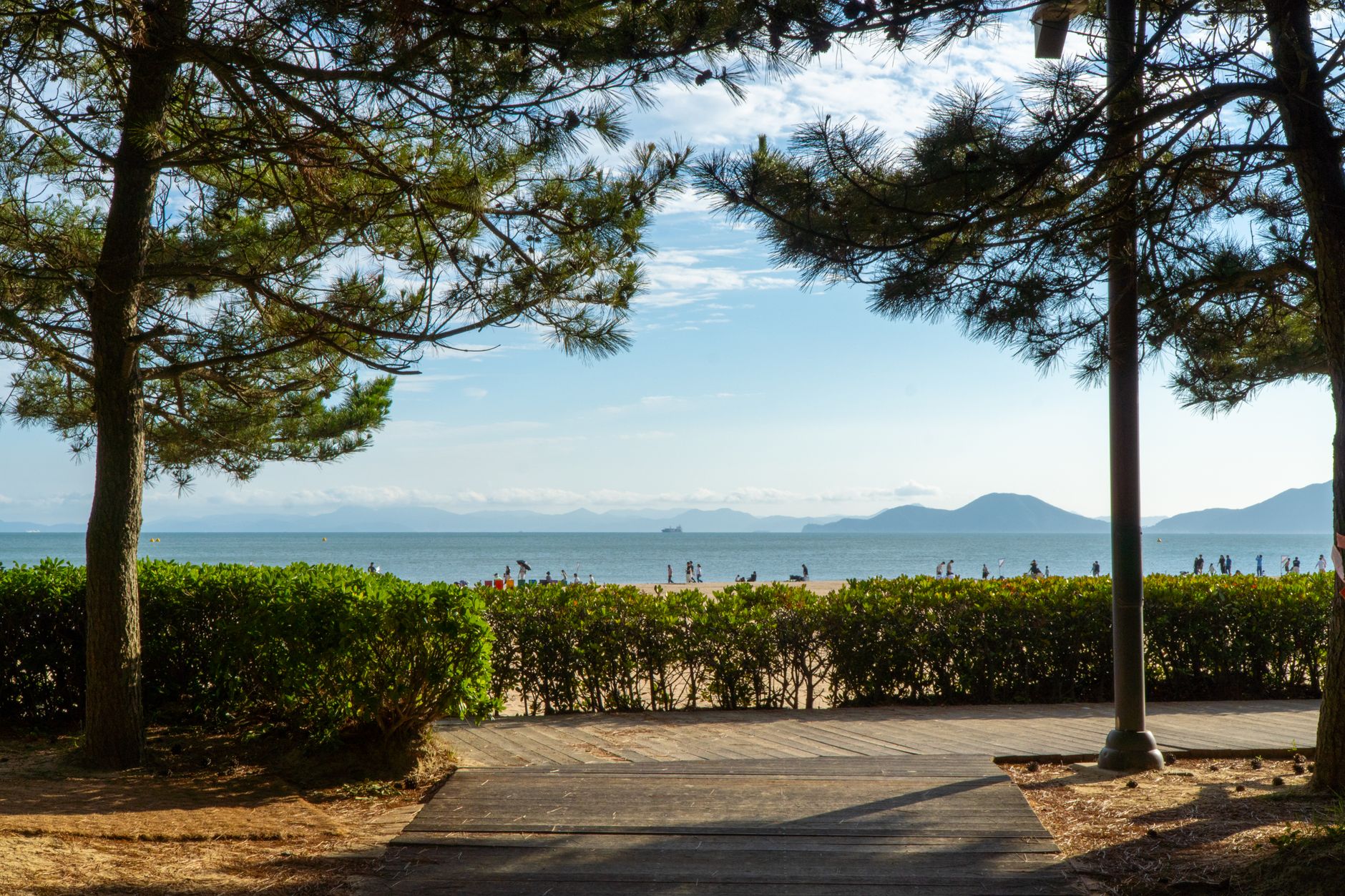 A beautiful beach scene framed by trees and shrubs, with people enjoying the shore in South Korea. (Photo: Hello Photho / Pexels)
Frequently Asked Questions
Q: What are the most visited places in Korea for international tourists?
A: Based on Korea Tourism Organization statistics, the traditional front-runners are Myeongdong, Gyeongbokgung Palace, Hongdae, and the Dongdaemun area — all of which pack shopping, food, and palace sightseeing into one compact route. That said, neighborhoods with a stronger local flavor — Seongsu, Hannam, and Euljiro — are rising fast. The current trend among savvy travelers is to split time roughly half-and-half between famous landmarks and local hangouts.
Q: I only have one day in Seoul. What's the best itinerary?
A: Morning at Gyeongbokgung Palace with a hanbok rental, lunch grazing through Gwangjang Market, an afternoon wandering Bukchon Hanok Village and Insadong, then an evening of chicken and beer by the Han River or the night view from N Seoul Tower. That single route captures four faces of Korea — royal tradition, market food, old alleyways, and the modern skyline — almost entirely by subway and on foot.
Q: What do foreign visitors unexpectedly love about Korea?
A: The jjimjilbang (Korean bathhouse-spa) wins this category every time. Folding your towel into the iconic "lamb's head" shape, snacking on baked eggs, and sipping sweet rice punch is an attraction in itself. Other sleeper hits: cooking instant ramyeon at a convenience store at midnight, singing in a coin karaoke booth, and Korea's unstaffed cafés and self-service photo studios. Many travelers say these everyday experiences ended up being more memorable than the famous landmarks.
Q: Where should I go if I'm vegan or eat halal?
A: For halal dining, Itaewon is the safest bet — it's home to a cluster of halal-certified Korean restaurants plus Middle Eastern and Southeast Asian spots. Vegan travelers should try a Buddhist temple cuisine restaurant: entirely plant-based, deeply rooted in Korean tradition, and consistently one of the highest-rated dining experiences for visitors. At ordinary Korean restaurants, be aware that broths and seasonings often contain fish or shellfish, so confirm vegan options by phone or app before visiting.
Final Thoughts
From Seoul's royal palaces and the Han River to Busan's beaches, Jeonju's food alleys, and Gyeongju's ancient temples, these are the must visit places in Korea that consistently leave the deepest impression on international travelers — often to the surprise of Koreans themselves. The real secret is balance: mix the famous landmarks with slices of everyday Korean life. The awe of Gyeongbokgung will stay with you, but so will the midnight ramyeon at a convenience store and that first jjimjilbang visit.
If a trip to Korea is on your horizon — or a friend's visit is coming up — pick two or three spots from this guide that match your style and build your own route. Chances are you'll discover that the must visit places in Korea aren't just destinations on a map, but a new way of seeing a country where the ancient and the ultramodern live side by side.