
10 Must Visit Places in Korea, According to Locals
Discover 10 must visit places in Korea, from Seoul highlights to hidden gems, K-food, and hanbok tips — a local's guide for first-time visitors.
Must-Visit Places in Korea: 10 Spots Locals Actually Recommend
Ask ten travel blogs about the must visit places in Korea and you'll get the same recycled list — usually written by someone who spent 72 hours in Seoul. This guide is different. It's built on what Koreans actually show their foreign friends when they visit: the places that consistently get a "wow," the food experiences that never miss, and the everyday details that turn a good trip into an unforgettable one.
As of mid-2026, Korea's tourism boom shows no signs of slowing. Thanks to K-dramas, K-pop, and Korean film, more travelers than ever are arriving with specific requests — "take me to that street from the show I watched." The funny thing is, some of the most memorable spots aren't famous landmarks at all. They're the parts of daily Korean life that locals take completely for granted.
Whether you're planning your first trip, your fifth, or building an itinerary for someone else, here's the honest, local-approved breakdown — organized by route, timing, and the practical details most guides skip.
What Actually Amazes First-Time Visitors to Korea
Before diving into the list of must visit places in Korea, it helps to understand what genuinely surprises travelers here — because it shapes how you should plan your days.
First: safety and public transit. Visitors are routinely stunned that you can walk alone down a quiet alley at 11 p.m. without a second thought, or leave your laptop on a café table while you use the restroom and find it exactly where you left it. Add a subway system where trains arrive every one to two minutes, fares stay remarkably cheap, and station restrooms are actually clean, and you start to understand why so many first-timers say the infrastructure itself was a highlight.
Second: the 24-hour city. Convenience stores open at 3 a.m., fried chicken delivered to a riverside park at midnight, round-the-clock cafés and Korean bathhouses (jjimjilbang). For Koreans this is just Tuesday. For travelers from countries where shops close at 6 p.m., the always-on rhythm of Korean cities is an attraction in its own right. The jjimjilbang deserves special mention: it combines bathing, sleeping, eating, and entertainment under one roof, and it's one of the most uniquely Korean experiences you can have.
Third: the small conveniences. Free side-dish refills at restaurants, call buttons on every table so you never have to flag down a server, convenience-store meals that put airport food to shame, and free Wi-Fi practically everywhere. None of these make a postcard, but together they create the impression travelers rave about most: everything in Korea is fast and easy. Smart itineraries weave these everyday moments between the big sights.
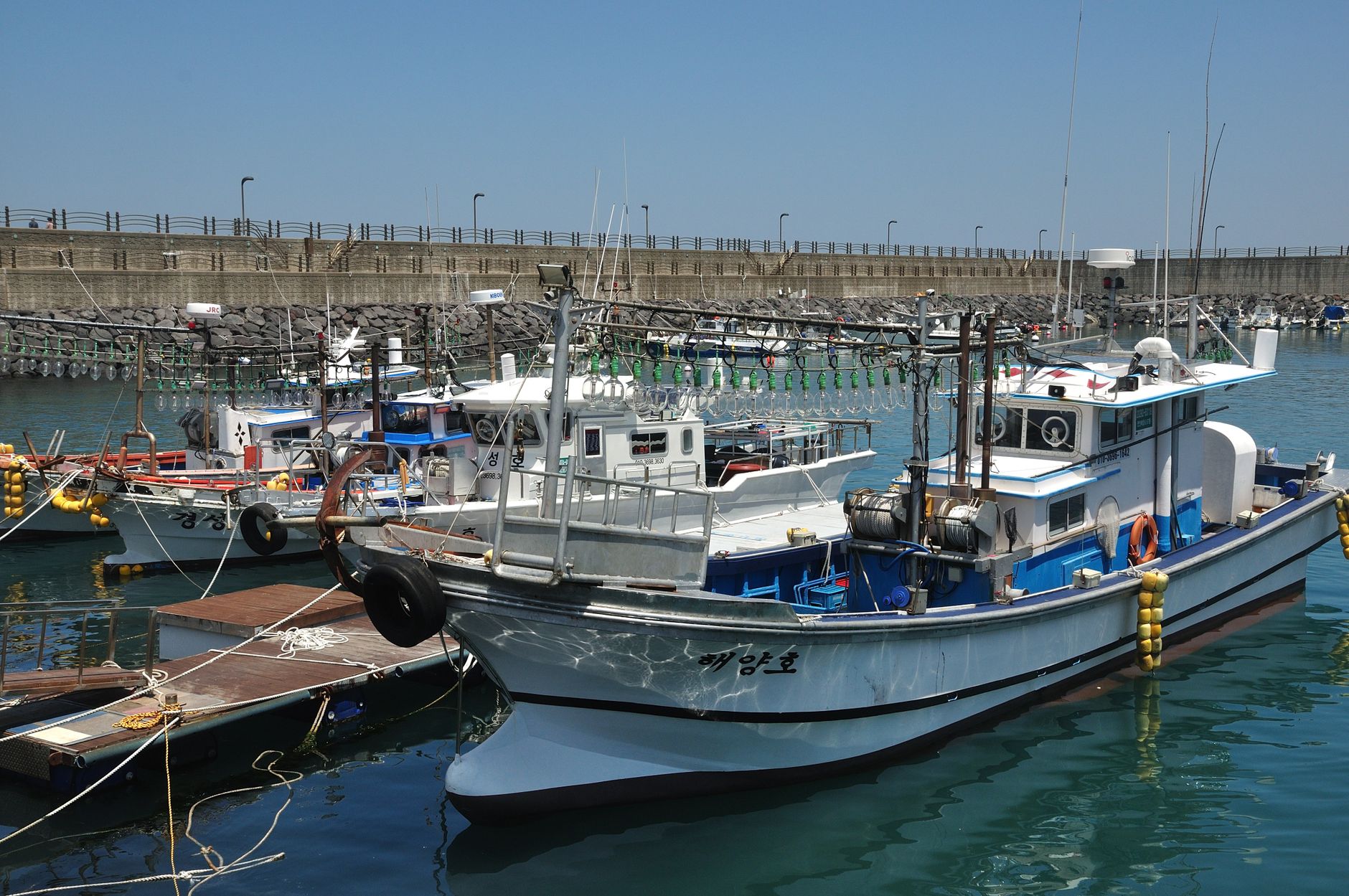 Fishing vessels docked at a harbor in South Korea under clear blue skies. (Photo: Coman Yu / Pexels)
Seoul Essentials: From Gyeongbokgung Palace to Seongsu-dong
The local formula for a perfect Seoul day is simple: traditional morning, trendy afternoon, skyline at night.
Start the morning with tradition. Rent a hanbok (traditional Korean dress) from one of the shops near Gyeongbokgung Palace — two-to-four-hour rentals are standard — then explore the palace grounds before walking over to Bukchon Hanok Village, a hillside neighborhood of traditional wooden homes. Wearing a hanbok has long come with free palace admission, though it's worth confirming on-site when you visit. Go in the morning for the best light and thinner crowds, and note that Gyeongbokgung is closed on Tuesdays — an easy mistake that ruins itineraries.
Have lunch in Samcheong-dong or Ikseon-dong, two charming districts where old hanok architecture houses modern cafés and restaurants, then switch gears for the afternoon. For travelers in their twenties and thirties, Seongsu-dong has become essentially mandatory. Often called "the Brooklyn of Seoul," it's a former industrial district where old factories have been converted into coffee roasteries, pop-up stores, and designer boutiques. If your taste runs more toward live music, clubs, and street performance, head to Hongdae instead — the university district that never sleeps.
End with the skyline. The trick with N Seoul Tower on Namsan Mountain is to go up about 30 minutes before sunset, so you get the daytime view, the golden hour, and the glittering night city in one visit. If you have a more relaxed evening, a Han River night cruise — or the beloved local ritual of fried chicken and beer on a picnic mat at Banpo Hangang Park — scores just as high with visitors. One day flowing from palace to hanok alley to hip café to night view shows you Seoul's past and present in a single arc.
Beyond Seoul: Busan, Gyeongju, and Jeonju
Some of the best must visit places in Korea sit well outside the capital — and repeat visitors consistently say the countryside is where Korea won them over.
Busan, Korea's second city, is about 2.5 hours from Seoul on the KTX high-speed train. The big three here are Haeundae Beach, Gwangalli Beach, and Gamcheon Culture Village — a hillside neighborhood of candy-colored houses stacked in terraces, and one of the most photogenic spots in the country. The classic overnight itinerary: fresh seafood at Jagalchi Fish Market, an afternoon wandering Gamcheon, dinner at Haeundae, and the lit-up Gwangan Bridge to close the night.
Gyeongju wears its nickname well: "the museum without walls." The former capital of the ancient Silla Kingdom, the entire city is scattered with royal burial mounds, temples, and thousand-year-old relics. The essential move here is a night walk — the Daereungwon tomb complex and Donggung Palace with Wolji Pond are dramatically lit after dark and feel completely different from daytime. Gyeongju is reachable from Seoul in roughly two hours by KTX, so a day trip is possible, but since the night views are the whole point, stay overnight.
Jeonju Hanok Village is Korea's largest concentration of traditional houses — around 700 hanok clustered together. Come for hanbok rental and tea ceremonies, but stay for the food: Jeonju is widely considered the food capital of Korea, and its bibimbap and bean-sprout soup (kongnamul-gukbap) are the stuff of pilgrimage. It's only about 1 hour 40 minutes from Seoul by KTX.
A realistic two-day plan: Depart Seoul early, arrive in Busan before lunch, eat at Jagalchi Market, spend the afternoon at Gamcheon Culture Village, dinner at Haeundae, night views at Gwangalli. Day two: a morning beach walk, then an afternoon KTX back. History lover? Swap Busan for Gyeongju — same structure, entirely different atmosphere.
The K-Food Experiences Worth Planning Around
Food makes or breaks a Korea trip. Here's the ranking, ordered by how reliably each experience delights first-time visitors:
- Chimaek (fried chicken + beer) — Famous from countless K-dramas and virtually impossible to get wrong. For the full experience, order delivery to a Han River park and eat it on a picnic mat like a local.
- Samgyeopsal (Korean BBQ pork belly) — Grilling meat at your own table and wrapping it in lettuce is interactive dining at its best. Learning to build the perfect ssam (wrap) is a trip highlight in itself.
- Gwangjang Market food tour — Mung bean pancakes, addictively simple mini gimbap rolls, and raw beef tartare in one of Seoul's oldest markets. The energy of the market is half the attraction.
- Hanjeongsik (traditional full-course meal) — A table blanketed with dozens of side dishes. The visual alone is worth it.
- Street food classics (tteokbokki, gimbap, sundae) — Great for spice-tolerance challenges, with one big caveat below.
Three warnings from locals. First, Korean spice is a far bigger barrier than most visitors expect — when a Korean says "it's not spicy," calibrate accordingly. Make your first meals mild (bulgogi, galbitang short-rib soup, samgyetang ginseng chicken soup) and save tteokbokki for mid-trip. Second, if you have dietary restrictions — vegetarian, halal — confirm before booking any restaurant (more on this in the FAQ). Third, adventurous items like raw beef tartare and live octopus are polarizing; treat them as optional side quests, not main events.
Korea by Season: Cherry Blossoms, Fall Foliage, and Snow
Korea's four sharply distinct seasons are its best-kept secret — and the reason so many travelers come back. Each season essentially reshuffles the list of must visit places in Korea.
Spring (late March to early April) — cherry blossoms. The Jinhae Gunhangje Festival near Busan is Korea's largest cherry blossom celebration, while Seoul's best displays line Yeouido's Yunjung-ro and circle Seokchon Lake. Bloom dates shift every year, so check forecasts two to three weeks before traveling — and book accommodation one to two months out, because this window sells out fast.
Autumn (late October to early November) — fall foliage. Naejangsan National Park is the country's most celebrated foliage destination, but you can get a full dose of autumn inside Seoul at the Changdeokgung Palace Secret Garden or along the Namsan trails. Pack layers; the temperature swing between morning and afternoon is significant.
Winter (December to February) — snow and skiing. Gangwon Province's ski resorts are well-equipped and beginner-friendly, with English lessons available, and snow-dusted palaces and hanok villages are a sight that exists only in winter. Fair warning for travelers from tropical climates: Korean winters are far colder than you're imagining. Pack a serious padded jacket and grab the disposable hot packs sold at every convenience store.
Visiting in summer (July–August)? Beat the heat with indoor stops (museums, jjimjilbang, mega shopping malls), shift sightseeing to evenings (night markets, Han River walks after dark), and build in a coastal city — Busan or Gangneung — for beach relief.
Practical Tips: Transit, Payments, and Language
More trips go sideways over logistics than over destinations. Handle these on arrival day:
- SIM/eSIM: Buy an eSIM before you land — it's the smoothest option. Airport counters work too, but lines can be long.
- Transit card: Get a T-money card at any convenience store and load it with cash. Seoul also offers unlimited-ride passes like the Climate Card, but coverage and eligibility rules for foreign visitors change, so verify current conditions when you arrive.
- Maps — this one matters: Google Maps has limited walking and driving navigation in Korea. Download Naver Map or Kakao Map and switch to English mode before your trip. Google handles transit lookups fine, but for walking directions the Korean apps are in a different league.
- Payments: Foreign Visa and Mastercard work at most places, but some small restaurants, markets, and street stalls remain cash-only. Exchange the equivalent of $40–80 USD in Korean won, and carry cash on market days especially.
- Tax refunds: Shops displaying "Tax Free" signs offer refunds above a minimum purchase, and immediate in-store refunds have become increasingly common. Carry your passport whenever you shop.
- Emergency interpretation: Save the number 1330 — Korea's 24-hour multilingual tourist hotline. It's your best backup if you hit a language wall outside the big cities.
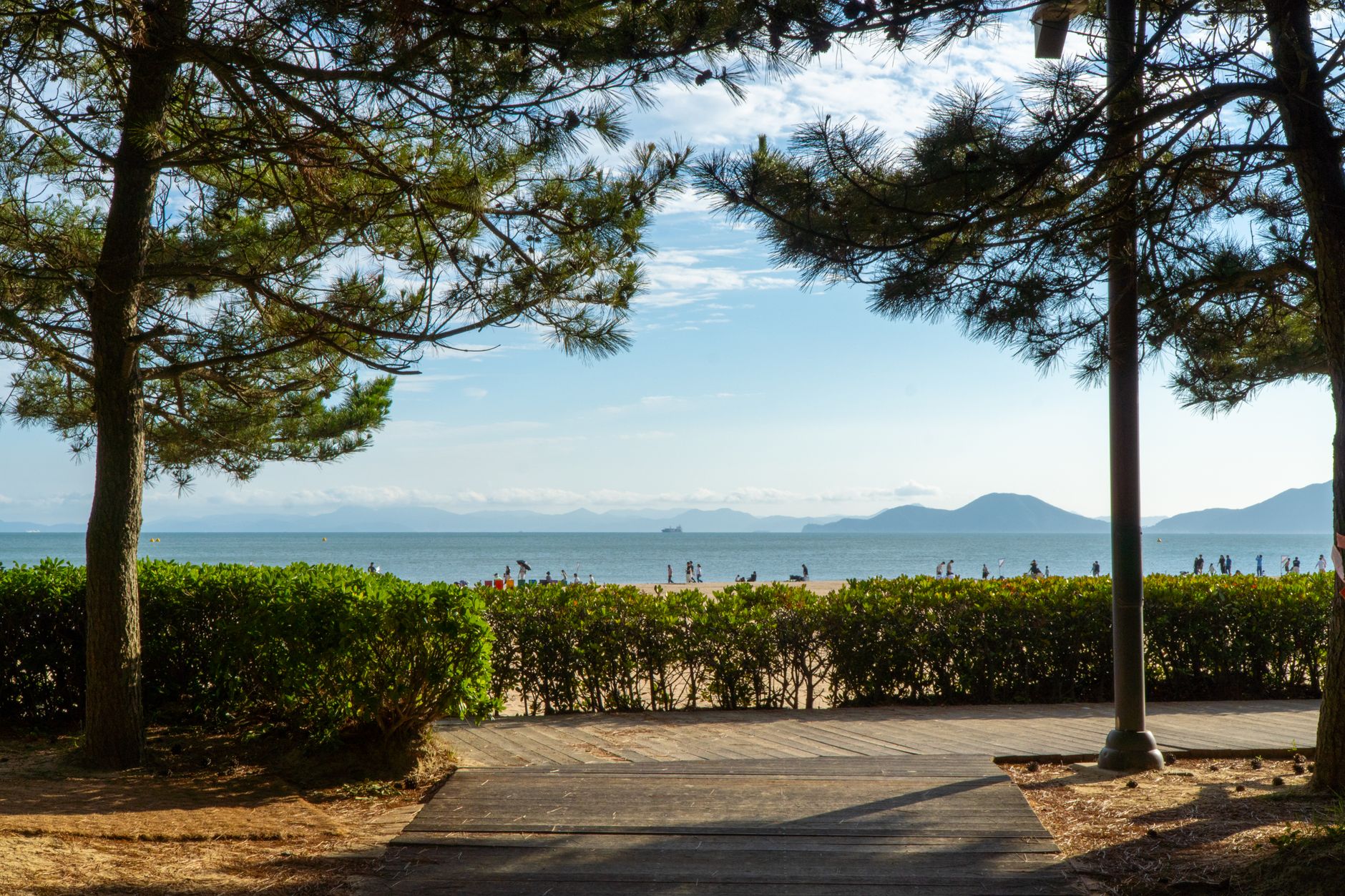 A beautiful beach scene framed by trees and shrubs, with people enjoying the shore in South Korea. (Photo: Hello Photho / Pexels)
Frequently Asked Questions
Q: I only have 3–4 days. Which must visit places in Korea should I prioritize?
A: The proven formula is "two days in Seoul + one overnight trip." Day one: the traditional circuit — Gyeongbokgung Palace, hanbok, Bukchon. Day two: the modern side — Seongsu-dong or Hongdae, plus the Namsan night view. Days three and four: take the KTX somewhere. Choose Busan for beaches and city energy, Gyeongju for history, or Jeonju for food and hanok atmosphere. If even that feels tight, substitute a day trip to Suwon's Hwaseong Fortress, just outside Seoul.
Q: What do first-time visitors end up loving most?
A: Consistently, doing beats seeing. Walking palace grounds in a hanbok, eating your way through Gwangjang Market, folding the iconic "lamb's head" towel at a jjimjilbang, grilling your own samgyeopsal — hands-on experiences stick in memory far longer than passive sightseeing. Build at least one participatory activity into every day of your itinerary.
Q: Can I travel outside Seoul without speaking Korean?
A: Absolutely. Translation apps like Papago and Google Translate handle restaurant orders and directions with ease, the 1330 hotline provides live interpretation around the clock, and major tourist cities like Busan, Gyeongju, and Jeonju have solid English signage and information centers. The language barrier is lower than most travelers fear. The one exception: tiny rural restaurants off the tourist trail are best attempted with a Korean-speaking companion.
Q: What about halal and vegetarian options?
A: Three strategies. First, Itaewon in Seoul has long been the hub for halal-certified and halal-friendly restaurants — a natural base for Muslim travelers. Second, a temple food experience delivers a fully vegan meal wrapped in traditional Buddhist culture — arguably the single best option for vegetarian visitors. Third, vegan-friendly chains and dedicated vegan restaurants have been multiplying, especially in Seoul. One crucial caveat: many Korean dishes use anchovy or beef broth and fermented seafood as base ingredients, so "just remove the meat" doesn't work. Always communicate dietary restrictions when booking.
Final Thoughts
The real must visit places in Korea come in three layers: tradition (Gyeongbokgung, Gyeongju, Jeonju), trend (Seongsu-dong, Hongdae, Busan), and daily life (jjimjilbang, midnight delivery, convenience stores, markets). Itineraries that blend all three into a single day leave a far deeper impression than any checklist of famous landmarks ever could.
Layer on the practical details — a T-money card, Naver Map in English, gradual spice escalation, dietary planning — and you'll travel Korea more smoothly than most guided tours manage.
Here's the truth locals know: the Korea most worth visiting is the one Koreans live in every day. Ride the late-night subway, eat at the crowded market stall, linger in the converted-factory café. If this guide helped you plan, share it with whoever's joining your trip — and if you discover a hidden gem of your own along the way, pass it forward. That's how the best travel lists get written.