
10 Must Visit Places in Korea Even Locals Rave About
Explore 10 must visit places in Korea, from Seoul must-sees to hidden gems tourists love, plus food and culture experiences for your trip.
10 Must Visit Places in Korea: Unforgettable Spots Even Locals Recommend
Planning a trip to South Korea and wondering where to start? You're not alone. Most first-time visitors can name Gyeongbokgung Palace and maybe Myeongdong's shopping streets, but beyond that, the itinerary gets fuzzy fast. Here's the interesting part: the must visit places in Korea that travelers actually rave about often surprise Koreans themselves — because the most memorable experiences aren't always the famous landmarks. They're the everyday moments: cooking instant noodles at a 24-hour convenience store, sweating it out in a Korean sauna, or eating fried chicken on a riverside picnic blanket at midnight.
As of 2026, travel to Korea has shifted dramatically. Visitors are no longer content to check famous sites off a list — they want to live like a local, even if just for a few days. K-pop pilgrimage routes, K-drama filming locations, and street food crawls are reshaping how people build their itineraries. This guide pulls everything together: the essential Seoul circuit, underrated cities beyond the capital, the food you can't skip, hands-on cultural experiences, and the practical apps and etiquette tips that will save your trip. Whether you have three days or two weeks, consider this your master list.
What Do Travelers Love Most About Korea? (What the Reviews Actually Say)
Korean tourism boards love to promote palaces and museums — and they're genuinely worth seeing — but scroll through TripAdvisor or Google reviews and a different pattern emerges. The experiences travelers mention over and over are surprisingly ordinary by local standards: grazing through Gwangjang Market's food stalls, picnicking along the Han River, spending an evening at a jjimjilbang (Korean bathhouse and sauna), and belting out songs in a private karaoke room. In other words, the best souvenirs from Korea tend to be slices of an average Korean's day.
The influence of K-pop and K-dramas has gone even further — it's rewriting travel routes entirely. A growing number of visitors plan their days around their favorite idol group's agency building, music video shooting locations, or the exact café where a drama scene was filmed. Where older itineraries went city by city ("Seoul, then Busan"), younger travelers now build their maps scene by scene. The takeaway for your own planning: figure out what version of Korea you fell in love with first. If it's a drama, a group, or a food show, let that anchor half your itinerary — the classics can fill in the rest.
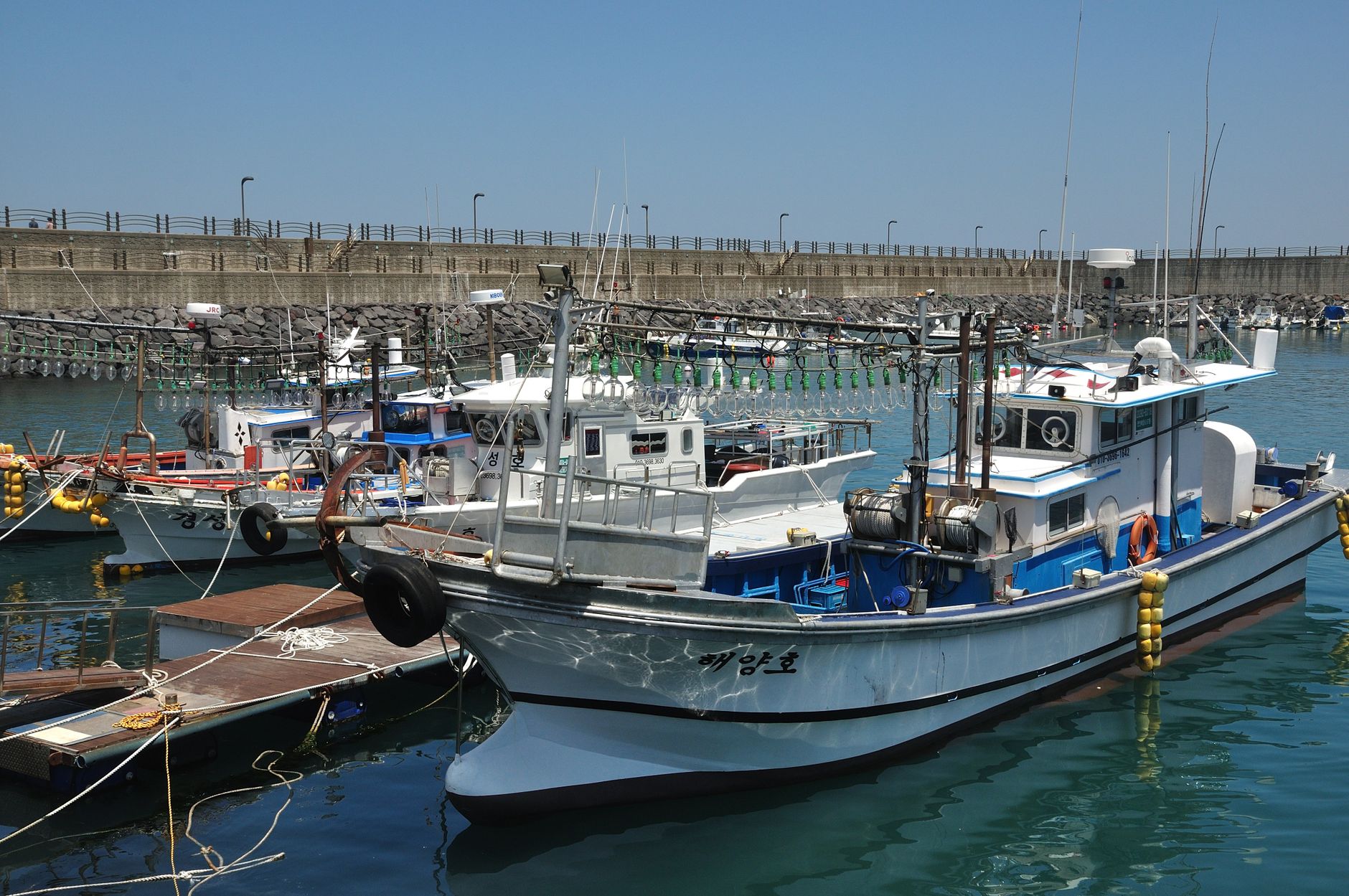 Fishing vessels docked at a harbor in South Korea under clear blue skies. (Photo: Coman Yu / Pexels)
The Essential Seoul Circuit: 5 Must Visit Places in Korea for First-Timers
If it's your first trip, start with the classics — they're popular for a reason, and they cluster neatly into walkable routes. Here are five must visit places in Korea's capital, arranged in a logical order:
- Gyeongbokgung Palace (with a hanbok rental): Korea's grandest royal palace offers free admission to anyone wearing hanbok, the traditional Korean dress — and rental shops line the surrounding streets. Wandering the palace grounds in flowing silk robes is consistently one of the highest-rated experiences among international visitors. Go in the morning for fewer crowds in your photos, and try to catch the changing of the royal guard ceremony.
- Bukchon Hanok Village: A short walk from the palace, this hillside neighborhood of traditional Korean houses (hanok) delivers some of the most photogenic streets in Seoul. One important note: real families live here, so keep voices low and respect the posted quiet hours.
- Gwangjang Market: Seoul's most famous traditional food market, and a favorite in international reviews. Come hungry for bindaetteok (crispy mung bean pancakes), mayak gimbap (bite-sized "addictive" seaweed rice rolls), and — for the adventurous — yukhoe, Korean-style beef tartare. It slots perfectly into a lunch stop after the palace.
- N Seoul Tower at night: Ride the cable car or bus up Namsan Mountain for panoramic city views. The nighttime skyline is the ideal finale to a full day of sightseeing, and the "love lock" fences at the top make for a fun photo stop.
- Chicken and beer by the Han River: Order delivery fried chicken straight to a riverside park (yes, delivery drivers will find you on the grass), grab instant noodles from a convenience store, and join hundreds of locals doing exactly the same thing. Travelers routinely name this simple evening as their single favorite memory of Korea.
Practically speaking, you can group these into a day and a half: palace, Bukchon, and Gwangjang Market fill a morning-to-afternoon route, and Namsan plus the Han River make a perfect evening.
Beyond Seoul: Underrated Cities with Glowing Traveler Reviews
Leaving Korea after seeing only Seoul is like visiting the US and never leaving Manhattan. Among the many worthwhile destinations outside the capital, three cities stand out for combining high traveler ratings with easy train access — earning their spots on any list of must visit places in Korea:
- Busan: Korea's second city and its coastal soul. Gamcheon Culture Village — a hillside maze of candy-colored houses and street art — has become one of the country's most photographed spots, while Haeundae and Gwangalli beaches deliver skyline-and-sea views at night. The KTX high-speed train covers Seoul to Busan in about two and a half hours, making even a day trip realistic.
- Jeonju: The spiritual home of bibimbap and Korea's best-preserved hanok village. Strolling the traditional streets in a rented hanbok while snacking your way through the street food stalls packs an enormous amount of "classic Korea" into a compact, walkable area. It's an easy KTX ride from Seoul.
- Gyeongju: Once the capital of the ancient Silla Kingdom, Gyeongju is often described as an open-air museum. The evening circuit around Cheomseongdae Observatory — one of the oldest astronomical observatories in Asia — and the illuminated Donggung Palace and Wolji Pond is genuinely magical. History lovers consistently rank it among their favorite stops in the country.
All three cities run hop-on-hop-off city tour buses, so you can cover the highlights without renting a car. Download the Korail Talk app in advance to book KTX tickets, and you'll move between cities as easily as locals do.
Korean Food You Can't Leave Without Trying
Ask anyone who's been: trips to Korea are remembered through the stomach. If you want guaranteed crowd-pleasers, start with the big three — Korean BBQ (samgyeopsal), Korean fried chicken, and street snacks like gimbap and tteokbokki. Grilling pork belly at your own table and wrapping it in lettuce with garlic and ssamjang sauce is as much an activity as a meal, and it wins over nearly everyone. For fried chicken, order it "half and half" — half plain crispy, half glazed in sweet-spicy sauce — for the ideal introduction.
A word on spice: Korean heat is real, and it escalates quickly. Rather than diving straight into fire-level dishes like buldak (fire chicken), calibrate with something moderate like kimchi jjigae (kimchi stew) and work your way up. If spice isn't your thing at all, you're still covered — seolleongtang (milky ox bone soup), galbitang (short rib soup), and bulgogi (sweet marinated beef) are all rich, deeply savory, and completely mild.
Dietary restrictions take a little planning but are very manageable. Halal-certified restaurants cluster around Seoul's Itaewon district, and vegans will find a growing scene of Buddhist temple cuisine restaurants and plant-based cafés — searchable through apps like HappyCow. Save a translated phrase like "no meat, no egg, please" in your translation app, and even ordinary restaurants can often adapt dishes like bibimbap or vegetable gimbap on the spot.
Experiences That Outlast the Photos
Here's a secret about the must visit places in Korea: the highlights that stick with you longest often aren't places at all — they're experiences. Ranked from easiest to most adventurous:
- Easy — Noraebang and jjimjilbang: No reservations, minimal language barrier. Noraebang (private karaoke rooms) are everywhere and stocked with English-language songs. Jjimjilbang — Korea's beloved bathhouse-sauna complexes — deserve the full ritual: fold your towel into the iconic "lamb's head" hat, sip sikhye (sweet rice punch), and crack open a sauna-baked egg. Travelers consistently describe it as a bucket-list experience they never knew they had.
- Medium — Hanbok rental: Available by the hour near Gyeongbokgung Palace and Jeonju Hanok Village, with styles ranging from historically faithful to fusion-modern. Weekends get busy, so book online in advance if you can.
- Adventurous — Templestay: Spend a night at a Buddhist temple, joining morning chanting and a traditional monastic meal. Several temples run dedicated English-language programs, but spots fill up — reserve through the official Templestay website before your trip.
Match your activities to the season, too. Spring means cherry blossom walks, autumn brings fiery foliage framing the palaces, and winter turns hanok villages and ski resorts into postcards. In the peak of summer — like right now — the smart play is pairing air-conditioned daytime experiences (jjimjilbang, noraebang, museums) with outdoor evenings at the Han River or a night market.
Practical Tips: Apps, Money, and Rookie Mistakes to Avoid
Good preparation matters more than a perfect itinerary. Handle these three things before (or immediately after) you land:
Download the right apps. Google Maps has limited walking and transit navigation in Korea, so install Naver Map (full English support) as your primary navigation app. Add Papago for translation — its conversation mode handles restaurant orders and directions with ease — and pick up a T-money transit card at any convenience store for subways, buses, and even taxis. Round out your toolkit with Kakao T for hailing taxis and Korail Talk for train tickets, and you can navigate the entire country independently.
Avoid the classic itinerary mistakes. First, don't try to crisscross all of Seoul in one day — the city is bigger than it looks on a map. Stick to three stops per day, grouped by neighborhood. Second, palaces and major museums have weekly closing days (Gyeongbokgung typically closes on Tuesdays), so check official websites before you go. Third, don't over-exchange cash. Cards are accepted almost everywhere, but keep roughly ₩50,000–100,000 (about $40–75 USD) in cash for markets and street stalls.
Budget realistically. A satisfying meal runs about ₩10,000–20,000 ($8–15), a full day of public transit costs around ₩5,000 ($4), and with admission fees and activities included, a well-packed day is very doable on ₩50,000–100,000 ($40–75) per person — making Korea one of the better-value destinations in East Asia.
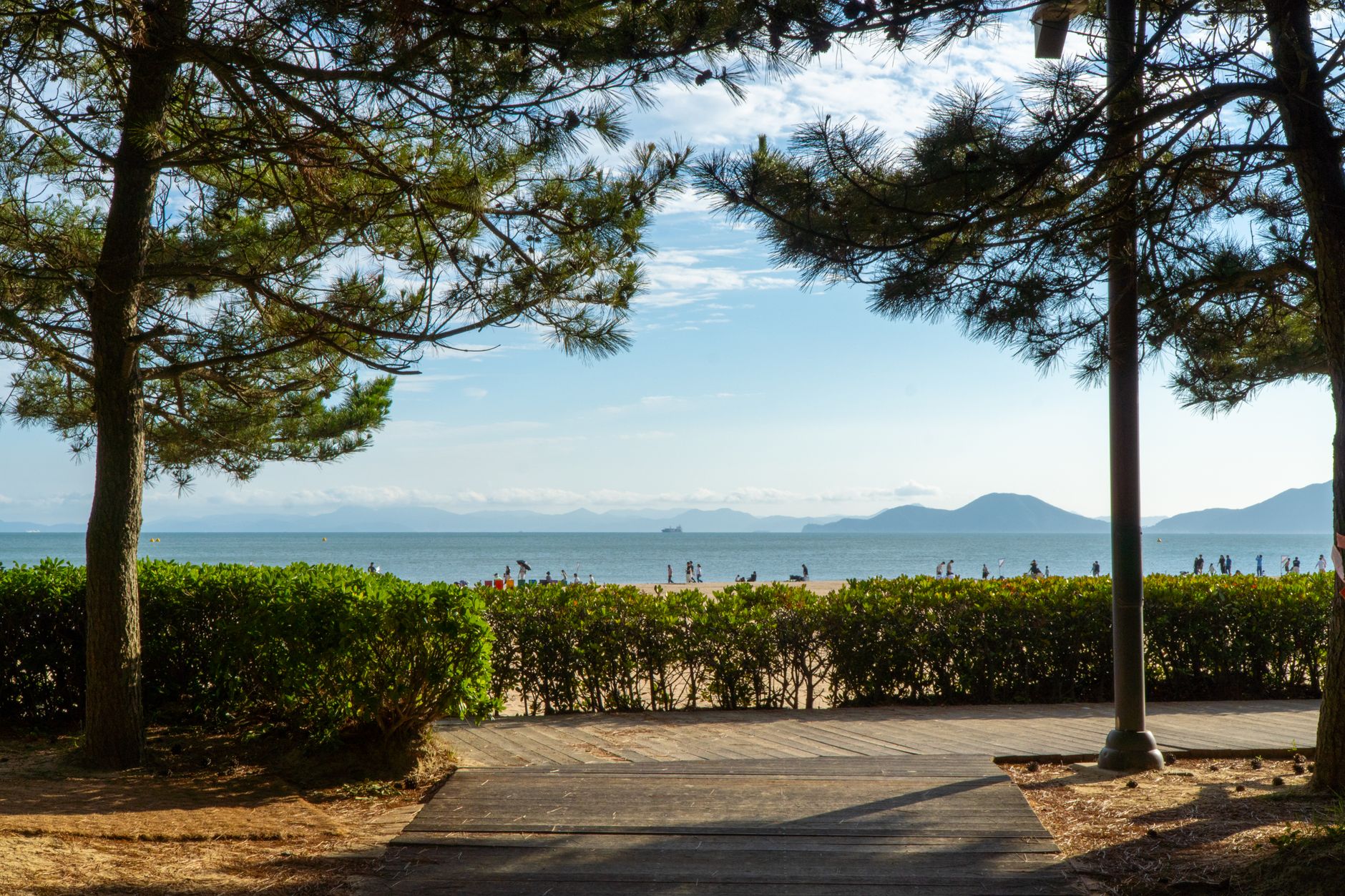 A beautiful beach scene framed by trees and shrubs, with people enjoying the shore in South Korea. (Photo: Hello Photho / Pexels)
Frequently Asked Questions
Q: I only have 3 days in Korea. Which places should I prioritize?
A: Spend your first two days in Seoul. Day one: Gyeongbokgung Palace in hanbok, Bukchon Hanok Village, lunch at Gwangjang Market, and N Seoul Tower at night. Day two: build around your interests — K-pop and K-drama fans should hit Seongsu and Hongdae — then finish with fried chicken by the Han River. For day three, choose between a KTX day trip to Busan or Jeonju, or keep it relaxed with a jjimjilbang morning and an afternoon of shopping. All three versions cover the genuine must visit places in Korea without burning you out.
Q: What are the most surprisingly beloved spots among foreign visitors?
A: Jjimjilbang saunas, 24-hour convenience stores, Han River parks, and Daiso (Korea's wildly well-stocked budget store). These are utterly ordinary to locals, but reviews are full of travelers calling out "cooking my own ramyeon at a convenience store at 2 a.m." or "the best souvenirs I bought were from Daiso" as trip highlights. Sprinkling one or two of these everyday stops between the big landmarks reliably makes a trip feel more authentic.
Q: Can I travel Korea comfortably without speaking Korean?
A: Absolutely. Papago's conversation mode handles restaurant orders and directions smoothly, major palaces and museums offer excellent English signage and audio guides, and subway announcements run in four languages. Save a few key phrases in your translation app ahead of time — closing days, food allergies, spice level requests — and you'll rarely feel stuck.
Q: How should vegan or halal travelers plan their meals?
A: For halal dining, Itaewon in Seoul is the most reliable hub, with a concentration of certified restaurants. Vegans should seek out temple cuisine restaurants and use apps like HappyCow to map options in advance. Even standard restaurants often accommodate: bibimbap without meat and egg, or vegetable-only gimbap, are easy modifications. Save the request as a translated phrase on your phone, and confirm by phone or app before visiting when possible.
Final Thoughts
The real secret to the must visit places in Korea is balance. Build your skeleton with the classics — Gyeongbokgung Palace, Gwangjang Market, a night view from Namsan. Layer in a personalized route based on the K-pop group or drama that drew you here in the first place. Then finish with the everyday experiences — a sauna afternoon, a riverside chicken-and-beer night, a convenience store ramyeon run — that no landmark can replicate. Set up Naver Map, Papago, and T-money on day one, double-check those palace closing days, and three days is genuinely enough time to fall for this country.
If a trip to Korea is on your horizon, start by picking the three spots from this list that best match your interests and sketch a rough route around them. Bookmark this guide for the planning stage — and don't be surprised when, halfway through your trip, you're already plotting the next one.