10 Best Restaurants in Hadong, Korea — Local Food Guide
Discover the 10 best restaurants in Hadong, from Seomjin River clam soup to freshwater crab stew, with local picks, prices, and travel tips.
The 10 Best Restaurants in Hadong, South Korea — Where Locals Actually Eat
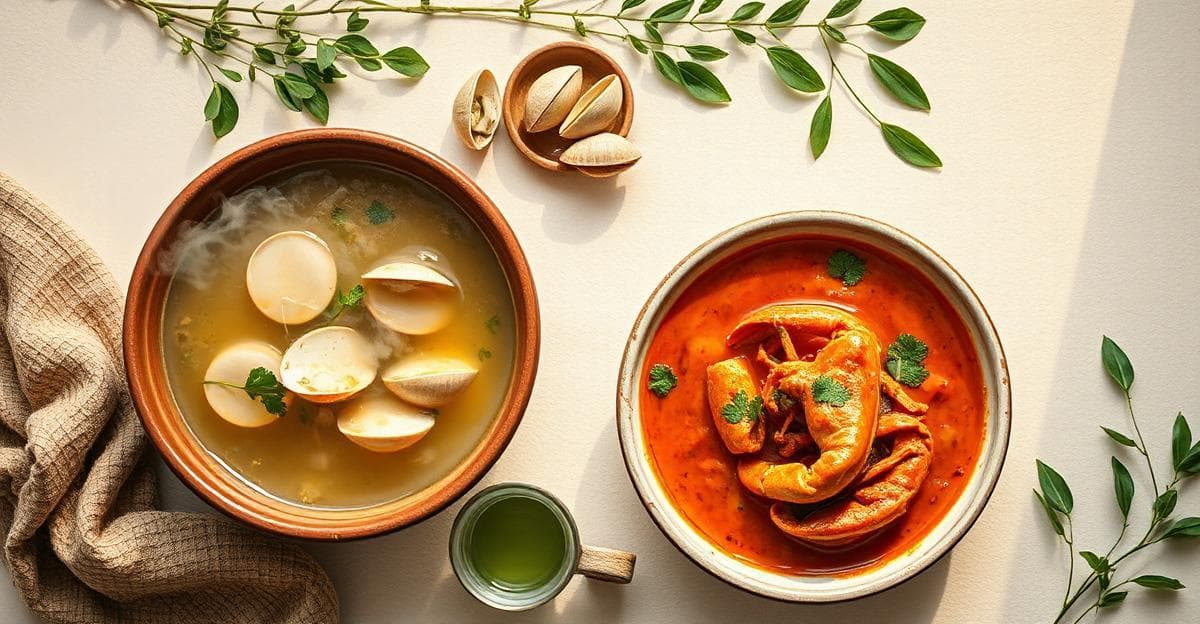
Follow the Seomjin River through South Korea's Gyeongsang Province and you'll find Hadong, a riverside county strung with cherry blossom roads, the bustling Hwagae Market, the ancient Ssanggyesa Temple, and the famous hanok estate from the novel Toji. But here's a secret that Korean travelers already know: Hadong is, first and foremost, a food destination. People drive hours out of their way for a single bowl of milky-white jaecheop-guk (freshwater clam soup) or a bubbling pot of chamge-tang (freshwater crab stew) — and once you've tasted them, you'll understand why.
As of July 2026, summer vacation season is in full swing, with travelers flocking to the Seomjin River valleys and the foothills of Jirisan Mountain. If you're planning a trip, finding the best restaurants in Hadong can feel overwhelming — it's a popular tourist area, and separating the genuinely great spots from the tourist traps takes local knowledge. That's exactly what this guide delivers: ten restaurants vetted by local repeat customers and years of consistent reviews, organized so they fit neatly into your sightseeing route.
How We Chose the Best Restaurants in Hadong
Restaurant lists for tourist areas are notoriously unreliable, often padded with sponsored recommendations. To keep this list honest, every pick had to clear three bars.
First, local repeat business. We prioritized restaurants where Hadong residents eat regularly — not just places that draw tourist crowds. Restaurants with a loyal local following tend to have consistent quality and careful ingredient sourcing, because locals notice (and leave) the moment standards slip.
Second, review consistency over time. We looked at feedback across multiple years and seasons. Any place with recurring complaints like "the broth isn't what it used to be" got cut. What remains are restaurants whose reputations have held steady.
Third, regional character and fair value. If you've come all the way to Hadong, you should eat what the Seomjin River provides — clam soup, crab stew, sweetfish — at honest prices, not generic dishes you could find anywhere. Prices below are approximate and can change, so calling ahead before you visit is always a smart move.
 Appetizing Korean salad with fresh vegetables and spicy sauce served in a decorative bowl. (Photo: makafood / Pexels)
Know Before You Go: Hadong's Signature Dishes
To get the most out of the best restaurants in Hadong, it helps to know what to order. The undisputed star is jaecheop-guk, a soup made from tiny freshwater clams called jaecheop (marsh clams). These clams thrive in clean brackish water where river meets sea, and the lower Seomjin River is one of the very few places in Korea where they're still harvested in quantity. The soup arrives pale and milky, topped simply with a scatter of chives — light, clean, and deeply savory. Koreans swear by it as a hangover cure and a breakfast dish, and it's gentle enough for any palate.
Hadong's menu also shifts with the seasons:
- Spring (March–April): Beotgul, or "cherry blossom oysters," harvested from the Seomjin estuary. They're named for their season and are dramatically larger than regular oysters — usually grilled or steamed.
- Spring to early summer: Peak clam harvesting season, so jaecheop soup and seasoned raw clam salad are at their absolute best.
- Summer (June–August): Eun-eo (sweetfish), a delicate river fish that locals claim carries a faint scent of watermelon. It's served as sashimi or fried whole — and July is prime season.
- Autumn (September–November): Freshwater crabs fatten up, making it the season for rich, earthy chamge-tang (crab stew).
Visiting in July? The most seasonal order you can make is a bowl of clam soup paired with crispy fried sweetfish.
The 10 Best Restaurants in Hadong: Signature Dishes, Prices, and Locations
The list below is ranked by local reputation and review consistency. Prices and hours change, so treat the figures as ballpark ranges.
- Yeoyeo Sikdang (Hadong-eup, the county's main town) — The signature order is the jaecheop set meal: clam soup served alongside a plate of seasoned raw clams tossed with vegetables. Expect roughly ₩10,000–15,000 (about $8–12 USD) per person. Lines form at peak mealtimes, so arriving right at opening is your best bet.
- Dongheung Sikdang (Hadong-eup) — A long-running, old-school clam soup house with a heavy local following. Reviewers consistently praise the rich broth and tidy, well-made side dishes. Around ₩10,000 per person.
- Wonjo Gangbyeon Halmae Jaecheophoe Sikdang (along the Seomjin River) — The name roughly translates to "the original riverside grandma's clam restaurant," which tells you everything. The popular combo is a raw clam rice bowl (jaecheop-hoe-deopbap) with clam soup on the side. River views make it a natural stop on a scenic drive, and parking is relatively easy.
- Hyeseong Sikdang (Hwagae-myeon) — The go-to for freshwater crab stew and sweetfish dishes. A pot of chamge-tang for two to three people runs about ₩50,000–60,000 (roughly $38–46 USD), and the location fits perfectly into a Hwagae Market and Ssanggyesa Temple itinerary.
- Danya Sikdang (at the entrance to Ssanggyesa Temple) — A temple-food-style restaurant serving clean, mild dishes like Buddhist-style noodles and perilla seed dumpling soup. Nothing here is spicy, which makes it a favorite for families with kids or older travelers. Under ₩10,000 to the low teens per person.
- The soup alley inside Hwagae Market — Rather than one specific restaurant, we recommend the cluster of small soup and clam-broth stalls inside the market itself. It's the ideal spot for a quick, casual meal between browsing the stalls, and fast turnover means minimal waiting.
- The Korean set-meal restaurants near the Choi Champan House in Pyeongsari — At the entrance to this famous hanok estate (the setting of the epic novel Toji), you'll find a row of restaurants serving traditional multi-dish country meals and wild-greens bibimbap. Typically ₩10,000–20,000 per person for a table generously covered in vegetable side dishes.
- Jaecheop noodle specialists (between Hadong-eup and the riverside) — Clam-broth noodle soup (jaecheop-guksu) is the lighter, quicker cousin of the classic soup — a delicious budget option at around ₩8,000–10,000.
- Jirisan black pork BBQ houses (Hwagae and Agyang areas) — When you want something hearty after a river swim or a mountain hike, grilled black pork from the Jirisan foothills is the move. Around ₩15,000–20,000 per person; call ahead for dinner service.
- Persimmon and green tea dessert cafés in Agyang — Not a meal, but an essential finish. Hadong is celebrated for its daebong persimmons and is considered the birthplace of Korean wild green tea cultivation. The cafés scattered across Agyang and Hwagae turn both into excellent desserts.
Most restaurants serve continuously through the afternoon without a break, but the older establishments often close early once they sell out of the day's ingredients. If you're planning a late-afternoon visit, a quick phone call can save you a wasted trip.
Route Planning: Pairing Restaurants with Hwagae Market, Ssanggyesa Temple, and Pyeongsari
Hadong's attractions stretch in a long line along the Seomjin River, so matching your meals to your route saves serious time.
Half-day route (centered on Hwagae): Browse Hwagae Market for about an hour → drive five minutes to Hyeseong Sikdang for a crab stew lunch → continue ten minutes to Ssanggyesa Temple for a forest walk → on the way back, stop at Danya Sikdang or a green tea café near the temple entrance. The road between the market and the temple is the famous "Simni" cherry blossom stretch — the drive itself is part of the sightseeing.
Full-day route (Hadong-eup + Agyang + Hwagae): Start the morning with clam soup at Yeoyeo or Dongheung in Hadong-eup → drive 15–20 minutes to the Choi Champan House in Pyeongsari, Agyang → lunch nearby on a traditional set meal or wild-greens bibimbap → spend the afternoon at Hwagae Market and Ssanggyesa Temple → finish with black pork BBQ or a raw clam rice bowl by the river. Budget about 25–30 minutes for the drive from Hadong-eup to Hwagae.
Traveling with kids? Break up the drives with riverside stops like the Seomjin River skywalk or Songnim Pine Forest Park — they turn a restaurant tour into a full family day out.
Practical Tips Before You Visit
Beating the crowds: During cherry blossom season (late March to early April) and peak summer vacation (late July to early August), weekend lunch waits of 30+ minutes are common at the popular clam soup houses. Arrive right at opening (usually 9–10 a.m.) or after 2 p.m. for a late lunch. Better yet — since clam soup is a classic Korean breakfast, plan it as your morning meal and skip the lines entirely.
Takeout is your friend: Many clam soup restaurants sell to-go portions, perfect for reheating at your accommodation the next morning. In summer, keep transport time short and bring a cooler.
The café course: Hadong is Korea's wild green tea heartland, so following a meal with a visit to a green tea café in Hwagae or a persimmon dessert café in Agyang completes the experience. Near the Choi Champan House, several cafés overlook the sweeping Pyeongsari rice fields.
Parking: Older restaurants in Hadong-eup often lack dedicated lots, so plan on public parking. Hwagae Market has a large public lot, but expect entry backups during cherry blossom season — arriving early in the morning is the safest play.
 Delicious seafood soup featuring prawns, mussels, and fresh herbs in a steaming broth. (Photo: Jennifer lim / Pexels)
Frequently Asked Questions
Q: What's the one dish I absolutely have to try in Hadong? A: Jaecheop-guk, the freshwater clam soup — no contest. Then match a second meal to the season: cherry blossom oysters in spring, sweetfish sashimi or fried sweetfish in summer (right now), and freshwater crab stew in autumn. If your time is short, one clam soup meal plus one seasonal dish is the ideal combination.
Q: Do the best restaurants in Hadong require reservations? A: Most are walk-in friendly. That said, during cherry blossom season and summer weekends, waits at popular spots get long — arriving at opening time is the safest strategy. For dishes with longer cooking times like crab stew, or for larger groups, a quick phone call ahead is recommended.
Q: Are there kid-friendly restaurants near Hwagae Market? A: Danya Sikdang near the Ssanggyesa Temple entrance is a safe bet, with mild noodle and dumpling soup dishes and nothing spicy on the menu. Clam soup itself is also completely mild — Korean kids grow up on it. One note: many restaurants in the region have traditional floor seating, so if you're traveling with toddlers, call ahead to check for standard tables and chairs.
Q: When is clam soup at its best? A: The clams are plumpest from spring through early summer, when harvesting peaks. Most specialist restaurants serve the soup year-round using clams secured in season, so quality stays fairly consistent — but if you want the richest possible broth, a spring or summer visit gives you the edge.
Final Thoughts
Here's the shortest possible summary of the best restaurants in Hadong: start with clam soup at Yeoyeo or Dongheung in Hadong-eup, head to Hwagae for Hyeseong Sikdang's crab stew or a quick bowl in the market's soup alley, enjoy a traditional set meal near the Choi Champan House in Agyang, and close things out at a green tea or persimmon dessert café. And since it's July, don't leave without trying sweetfish while it's in peak season.
Tourist-area prices can sting, but every restaurant on this list was chosen because it serves authentic regional food at an honest price. If a weekend by the Seomjin River sounds tempting, let a steaming bowl of clam soup be your excuse. Been to any of these spots? Share your favorite in the comments — and stay tuned for our upcoming guides to Hadong's best cafés and places to stay.